Researching Loss and Damage (L&D) in Small Island Developing States (SIDS) is rarely a linear process. It is a journey of navigating logistical hurdles, building trust in traumatised communities, and balancing academic rigour with the messy realities of post-disaster recovery.
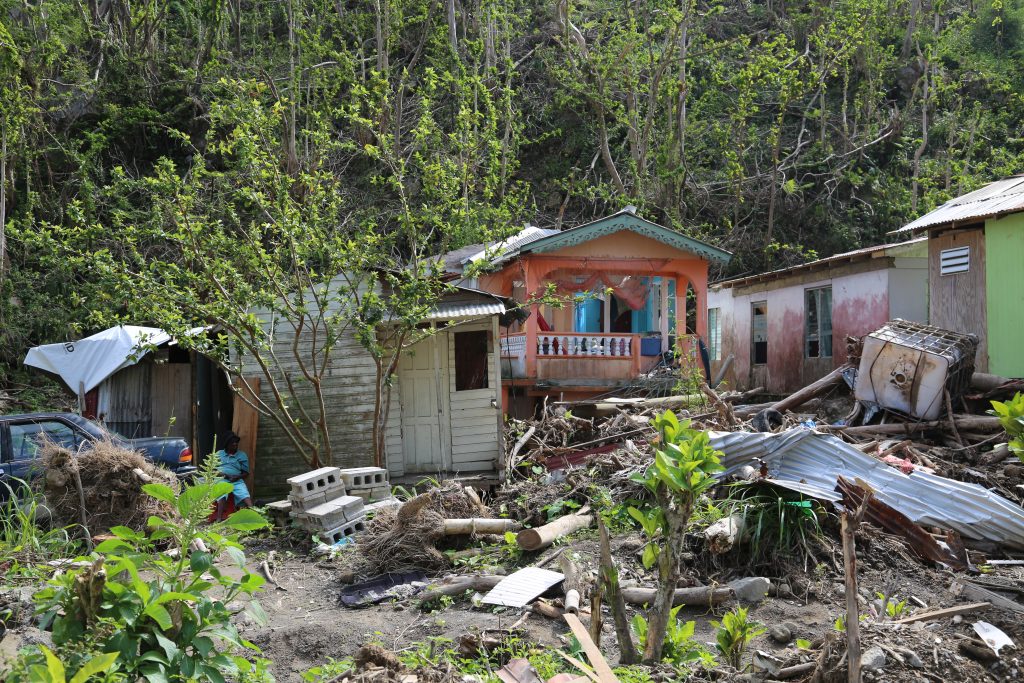
Our recent study, conducted under the Saleemul Huq Scholarship for Loss and Damage Research, supported by ALL ACT, the International Institute for Environment and Development (IIED), focused on Dominica, specifically looking at how Micro, Small, and Medium-sized Enterprises (MSMEs) navigated the back-to-back devastation caused by Tropical Storm Erika (2015) and Hurricane Maria (2017). While the final report quantifies the economic and non-economic L&D, the story of how we gathered that data reveals even more about the resilience of those on the front lines.
Working within a SIDS Context
The unique nature of a SIDS environment deeply influenced our research design. Managing a project in Dominica from an office in Trinidad requires more than just a good internet connection; it requires local champions. We collaborated with research assistants from Dominica’s Central Statistical Office (CSO).
This was not just a logistical choice; it was an ethical one. Local researchers possess the cultural nuance and community trust that an “outsider” cannot replicate. However, we encountered a capacity squeeze. When your data collectors are the same professionals responsible for national recovery statistics, time is a luxury. We had to learn to work within the rhythm of a small island state where everyone wears multiple hats, and institutional resources are often stretched to their limit.
When online surveys don’t work
In an increasingly digital world, we initially leaned on online questionnaires. We quickly hit a wall. For Micro, Small, and Medium Enterprise (MSME) owners in Dominica, an email survey is often a low priority when you are busy running a business.
We observed a clear digital divide and survey fatigue. To capture the true depth of loss, we had to pivot. Our researchers moved from digital links to physical doorsteps, allowing us to meet our target of 20. This shift to in-person interviews was resource-heavy but essential. It transformed a sterile data collection exercise into a series of conversations, allowing us to capture the nuances of quality-of-life impacts such as mental health, social cohesion, and cultural heritage that a checkbox simply cannot reflect.
The Silence of Sensitivity
One of the most profound field realities in a small island context is privacy. In tight-knit communities, sharing financial data is particularly sensitive. Some business owners feared that disclosing their losses—or the aid they received—might jeopardise future assistance or expose their vulnerabilities to competitors.
To bridge this gap, we employed the highly participatory approach in the Comprehensive Climate Impact Quantification (C-CIQ) methodology. We realised that to get accurate information, we had to stop being “interviewers” and start being “listeners.” We trained our team to move away from rigid scripts toward a conversational, trust-building approach. We found that when researchers shared the purpose of the study—to influence international climate policy and finance—business owners were more willing to open up. They were not just data points; they were contributors to a global argument for climate justice.
The Voice of the Community
Perhaps the most striking process learning was the differential engagement between groups. While we struggled to get time with time-strapped business owners and government officials, we were overwhelmed by the response from community leaders and civil society.
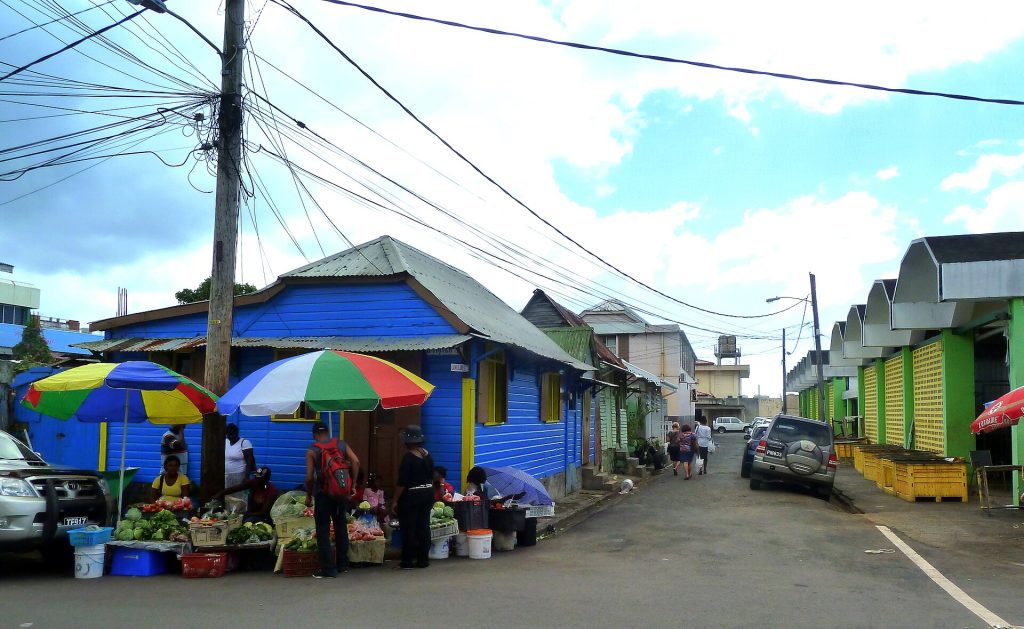
What was originally intended to be three interviews blossomed into a survey of 20 community leaders. Why the surge? In Dominica, the experience of L&D is not theoretical; it is lived daily. There is a palpable demand to be heard.
This suggests a high potential for polycentric governance—where local communities are not just recipients of aid but active architects of resilience. Their willingness to participate underscored a gap: these leaders have insights into non-economic losses (like culture and mental health) that are often ignored in top-down research and recovery models.
Lessons for the Field
While our work was rooted in the Caribbean, these lessons are highly transferable to other SIDS and climate-vulnerable nations globally. The Dominica experience serves as a microcosm for the challenges researchers face in any context where communities are dealing with recurring climate trauma and limited resources.
- Flexibility is a methodology. If your primary data collection method fails, it’s not a sign of a bad plan; it’s a sign of the field’s reality. Be ready to pivot from digital to manual.
- Active listening is a research tool. We learned that a rigid questionnaire can sometimes be an obstacle to the truth. In any context involving loss, adopting a conversational approach validates the participant’s experience and captures sensitive details that formal interviews miss.
- Trust is currency. In SIDS and other small-scale societies, your data is only as good as the trust you build. Prioritising participatory methods—such as consultative and validation workshops—ensures that the research reflects local realities rather than outside assumptions. Use local researchers and prioritise one-on-one engagement.
- Acknowledge the respondent fatigue. Recognise that you are asking for time from people who have lost much. This is a universal reality for practitioners anywhere. Ensure your research process is respectful and clearly communicates its value back to the community.
Quantifying loss and damage is about more than numbers; it’s about capturing the resilience of a community that refuses to disappear. Our journey through the field in Dominica reminded us that while storms may leave much destruction, they also forge a powerful, collective voice—if we are willing to go into the field and listen.
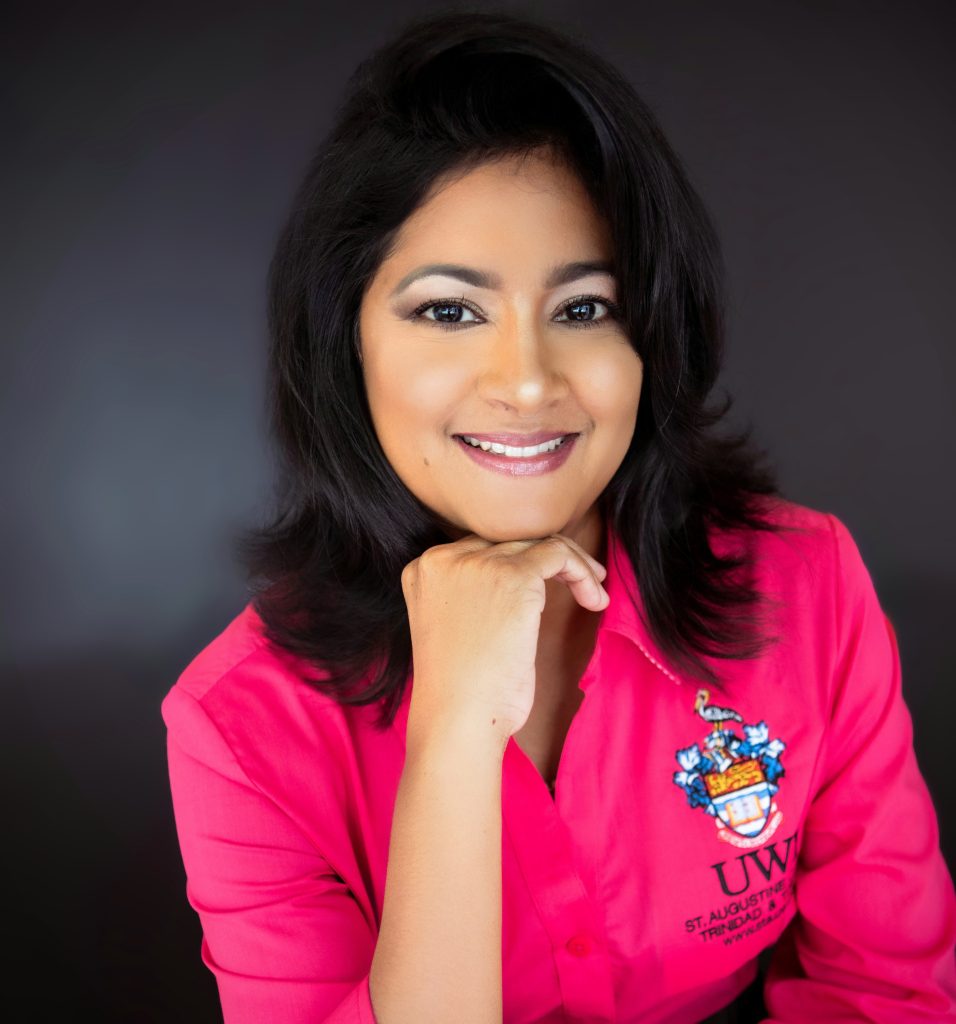
Preeya Mohan is a Senior Fellow at the Sir Arthur Lewis Institute of Social and Economic Studies (SALISES), University of the West Indies, St. Augustine. Her work explores the intersection of loss and damage, climate finance, and disaster risk management, focusing on driving innovative, evidence-based solutions to the Caribbean’s unique development challenges. A recognised expert in the field, she serves as a Lead Author for the IPCC’s Seventh Assessment Report (AR7), contributing to Working Group II on the critical issue of Climate Finance. Her research on loss and damage is supported by the Saleemul Huq Scholarship for Loss and Damage Research, provided by ALL ACT from the International Institute for Environment and Development (IIED). Know more about her at https://lossanddamageobservatory.org/profile/Preeya/Mw==