Loss and Damage Blog
This blog will feature stories, insights and experiences from researchers and practitioners involved in loss and damage related research and action from around the world.
We welcome contributions from the researchers, mentors, and practitioners who are engaged in grassroots action to write about, reflect on, and share their experiences.
Write to us at admin@lossanddamageobservatory.org
Latest Blogs
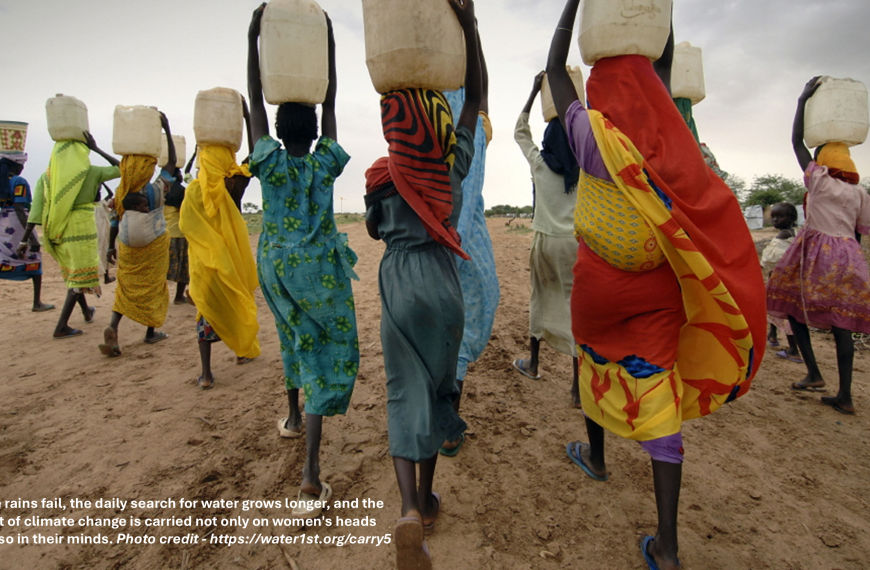
When the Rain Fails, the Mind Suffers: Field Reflections on Climate, Health, and Loss in Rural Mali
In rural Mali, failing rains bring more than crop failure. Drawing on fieldwork in Nioro du Sahel, Mohamed Sylla reveals the hidden mental health toll…
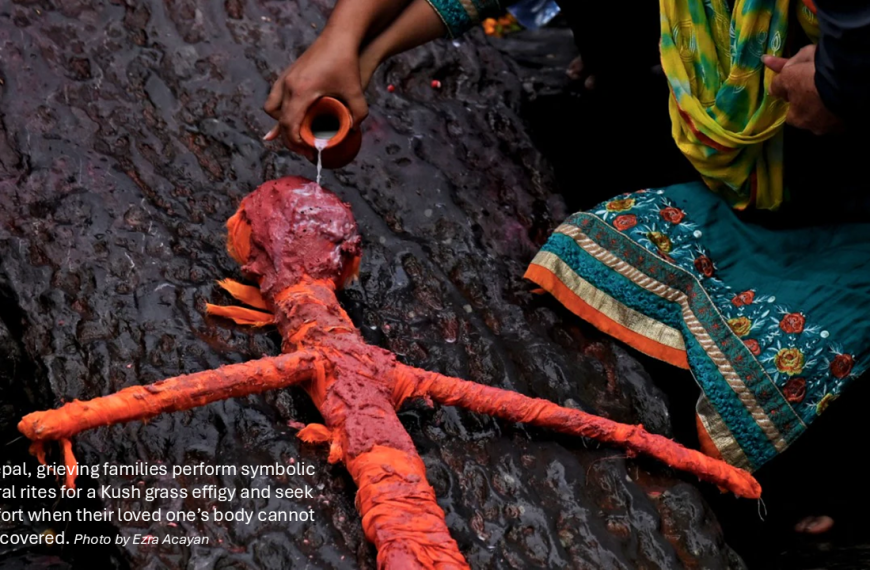
Invisible Erosion: What the Bhotekoshi Flood Took That We Cannot Count
When the Bhotekoshi flood in Nepal receded, it left orphaned children, widows without closure, and families abroad still waiting for word of loved ones. This…
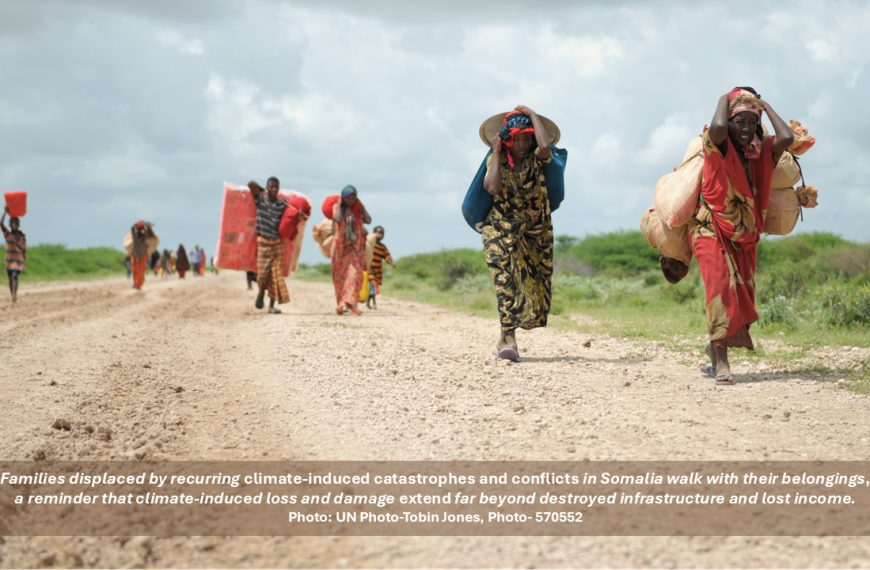
From Research to Resilience: Why Community-Led Solutions Must Shape Climate and Health Policy in Somalia
Research in Qardho, Somalia shows that climate-induced loss and damage extends beyond economic impacts, affecting physical health, mental well-being, livelihoods, and dignity. Community-led solutions, grounded…
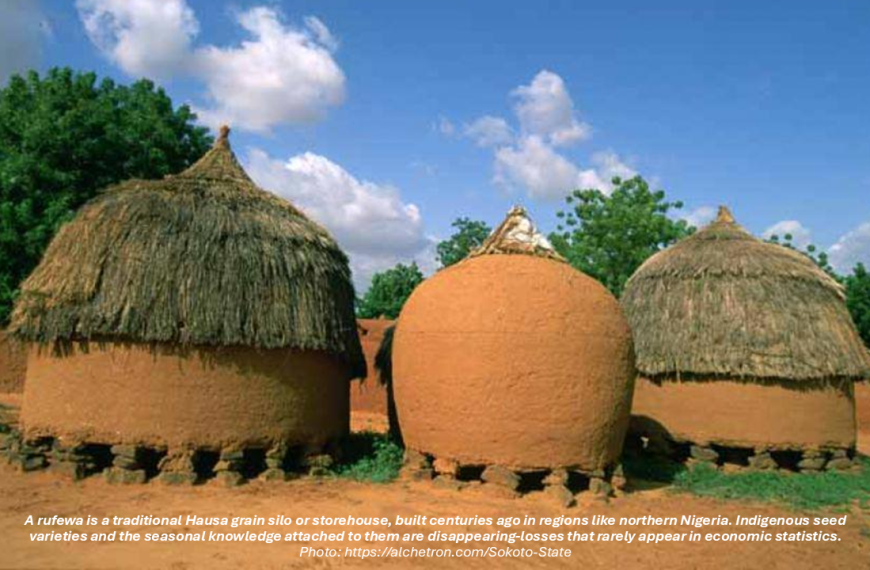
From Nigeria’s fields to global climate conversations: what mentoring loss and damage scholars taught me
Mentoring Saleemul Huq Memorial Research Scholars from Ecuador to Brazil, alongside years with Nigerian smallholder farmers, taught me that climate-induced loss and damage reaches far…
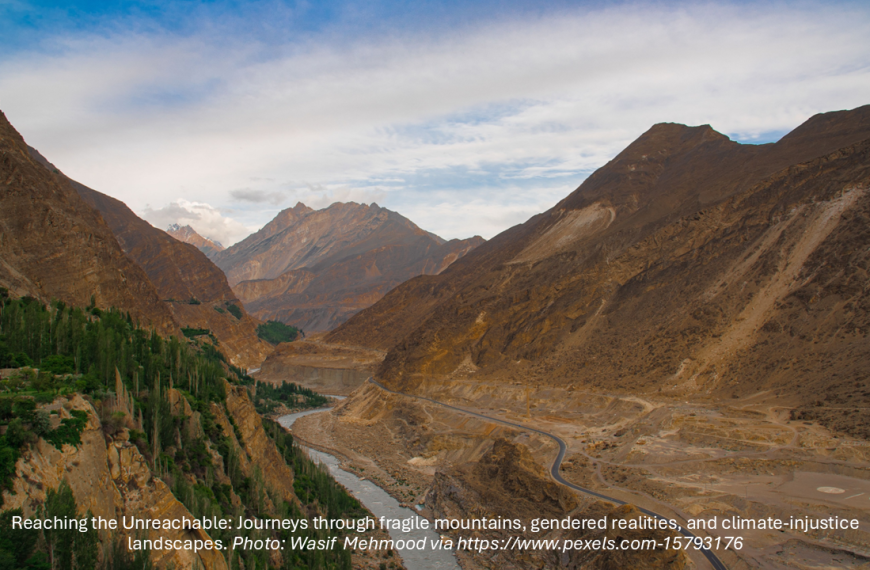
Reaching the Unreachable: Journeys Through Fragile Mountains, Gendered Realities, and Climate-Injustice Landscapes
The journey of Kosar Bano, a Saleemul Huq Fellow, through Gilgit, Hunza, and Ghizer shows how blocked roads, flood damage, and poorly built protection schemes…
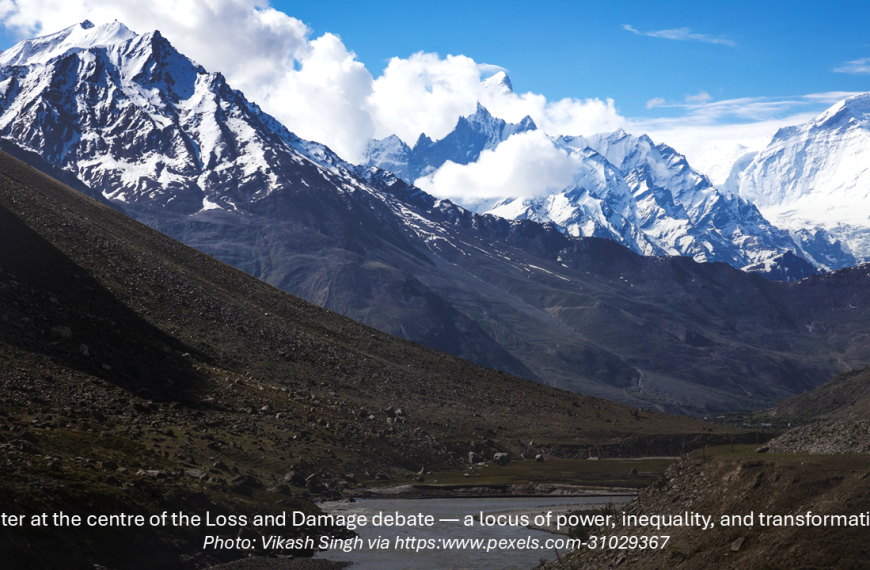
Beyond Disasters: Reimagining Loss and Damage through Water, Justice, and Climate Futures in South Asia
Across South Asia, Loss and Damage is no longer just disaster response — it is a question of water, power, and justice. This essay reimagines…