When we decided to investigate the impacts of climate change on the food cultural heritage of the Bacia do Jacuípe, a semi-arid territory in Bahia, Brazil, through the Saleemul Huq Scholarship for Loss and Damage Research, it was both a moment of deep joy and a significant challenge. But we knew we were not starting from scratch. I grew up watching the rain fail to come, seasons change without warning, and I learned early on what loss means in food, in customs, in ways of sharing, and in ways of living together in community. My personal journey in a region marked by extreme droughts had already, in practice and from a very young age, introduced me to the realities of loss and damage.
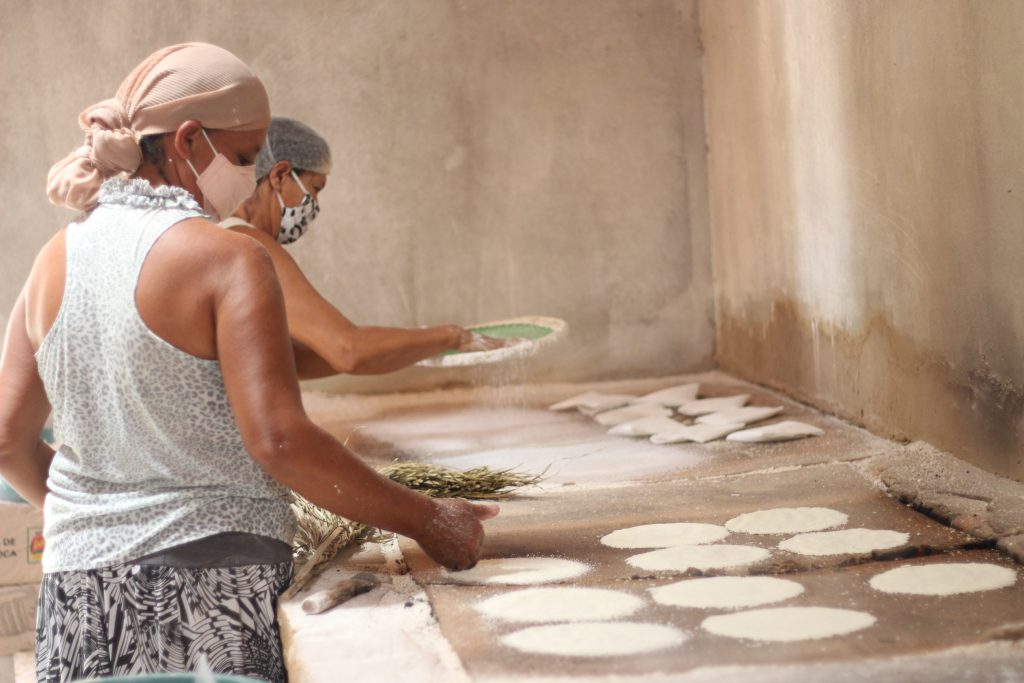
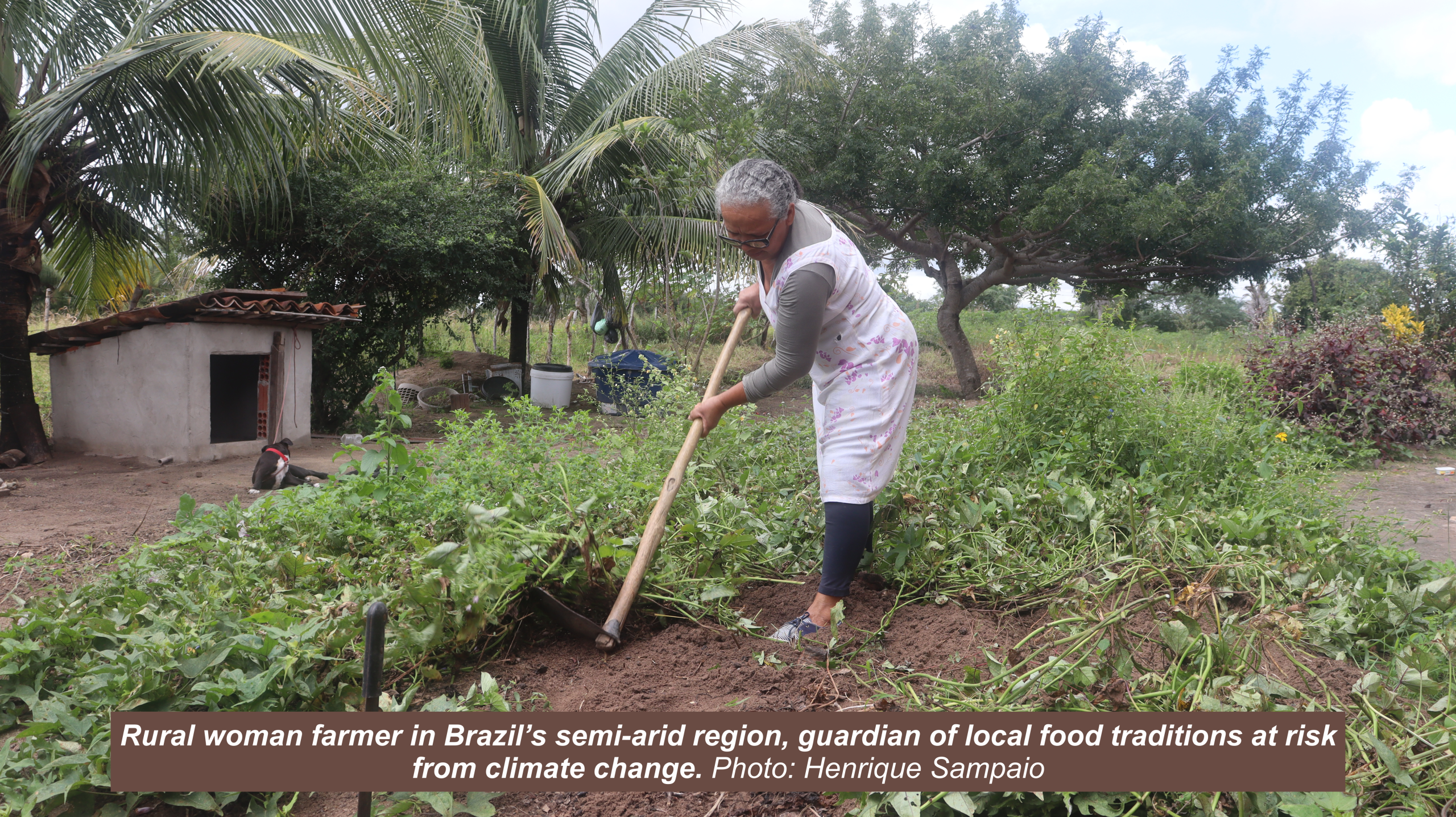
Turning this lived experience into scientific research, however, brought lessons that no manual could ever teach. Fortunately, I was never alone on this journey. I was supported by the generosity of community members, civil society organisations, collaborators, and colleagues who opened doors, shared their stories, and ensured that the research remained grounded in the territory and guided by the voices of those who live and shape it. I would also like to acknowledge the support of the Public Centre for Solidarity Economy of the Jacuípe Basin, which provides guidance and assistance to the groups and associations in the region under study and, at this moment, kindly provided the photographs of the women farmers featured in this article. Throughout this process, I learned, often in difficult ways, that investigating non-economic losses requires not only methodological rigour but also the sensitivity to listen to what numbers alone cannot capture. I share some of these lessons here, hoping they may support other researchers and professionals walking similar paths.
The challenge of translating the intangible
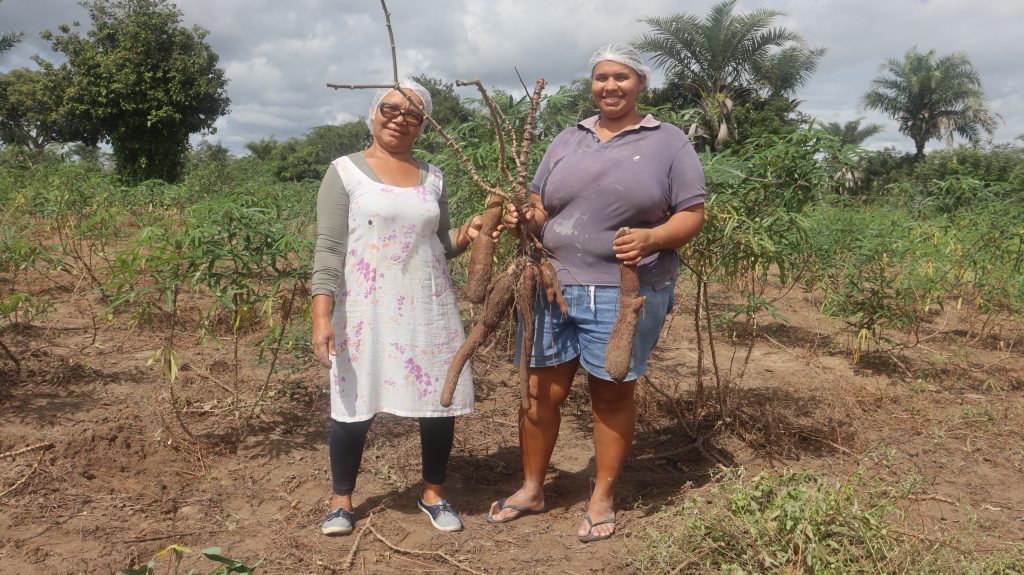
The greatest challenge I faced was faithfully translating local culture into analytical categories without losing the essence of the voices we heard. How do you quantify the loss of a food tradition? How do you measure the value of knowledge that disappears because native plants no longer grow as they once did? How do you explain to the world how agricultural losses in subsistence agro-pastoral communities affect their ability to maintain festivals when cassava is no longer harvested as before?
It was precisely here, within qualitative data, that we found an entry point. Using the Comprehensive Climate Impact Quantification (C-CIQ) methodology, we co-developed responses grounded in local voices.
However, attempts to fit such complex realities into predefined models, especially when everything had to be translated into English, excluded potentially relevant data. This led to our first major lesson: no matter how sophisticated the tools are, they must be flexible enough to accommodate the specificities of each territory. By combining data from the IBGE (Brazilian Institute of Geography and Statistics) with family testimonies, we revealed, for example, how food scarcity and changing eating habits reflect not only the struggle for survival but also the silent erosion of cultural identity. This allowed us to quantify these losses in ways that may help open pathways toward climate justice.
This insight led us to adopt qualitative and semi-quantitative methods combined with participatory tools. This approach allowed us, together with communities and based on their own priorities, to define what was most relevant for understanding loss and damage in cultural expressions linked to socio-environmental practices. More than collecting data, we learned how to listen to what data alone cannot say.
What worked and what did not
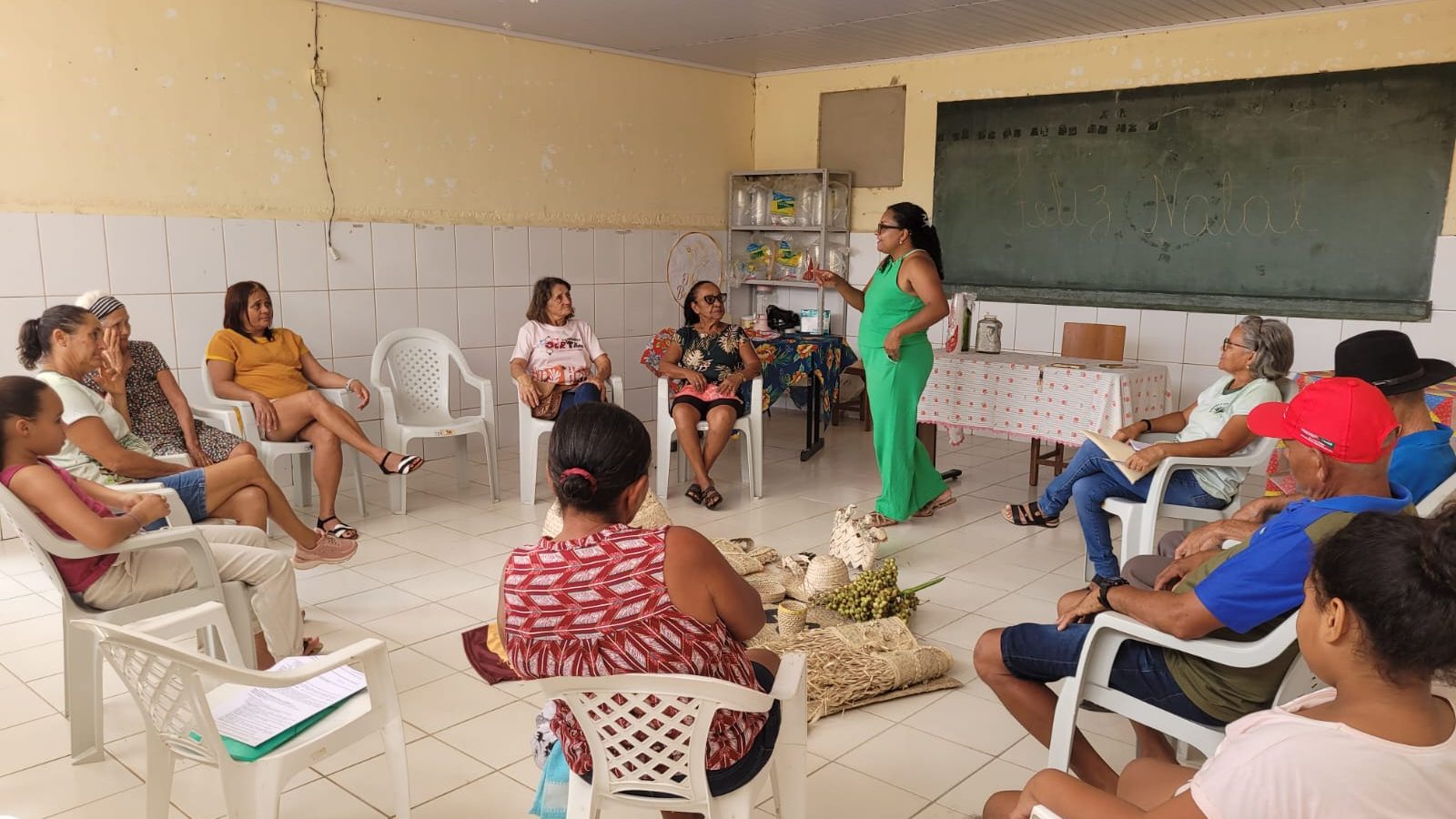
Building authentic relationships with communities was made possible by a simple but effective strategy. Before collecting any data, we mapped families’ levels of knowledge about the core concepts of the research. This ensured that dialogue started from what they already knew and experienced, rather than from abstract categories imposed from outside. Support from local leaders and from a research assistant with both sensitivity and experience working with semi-arid communities was fundamental to ensuring data reliability. Without them, many narratives would have been lost in translation, not only linguistically, but culturally.
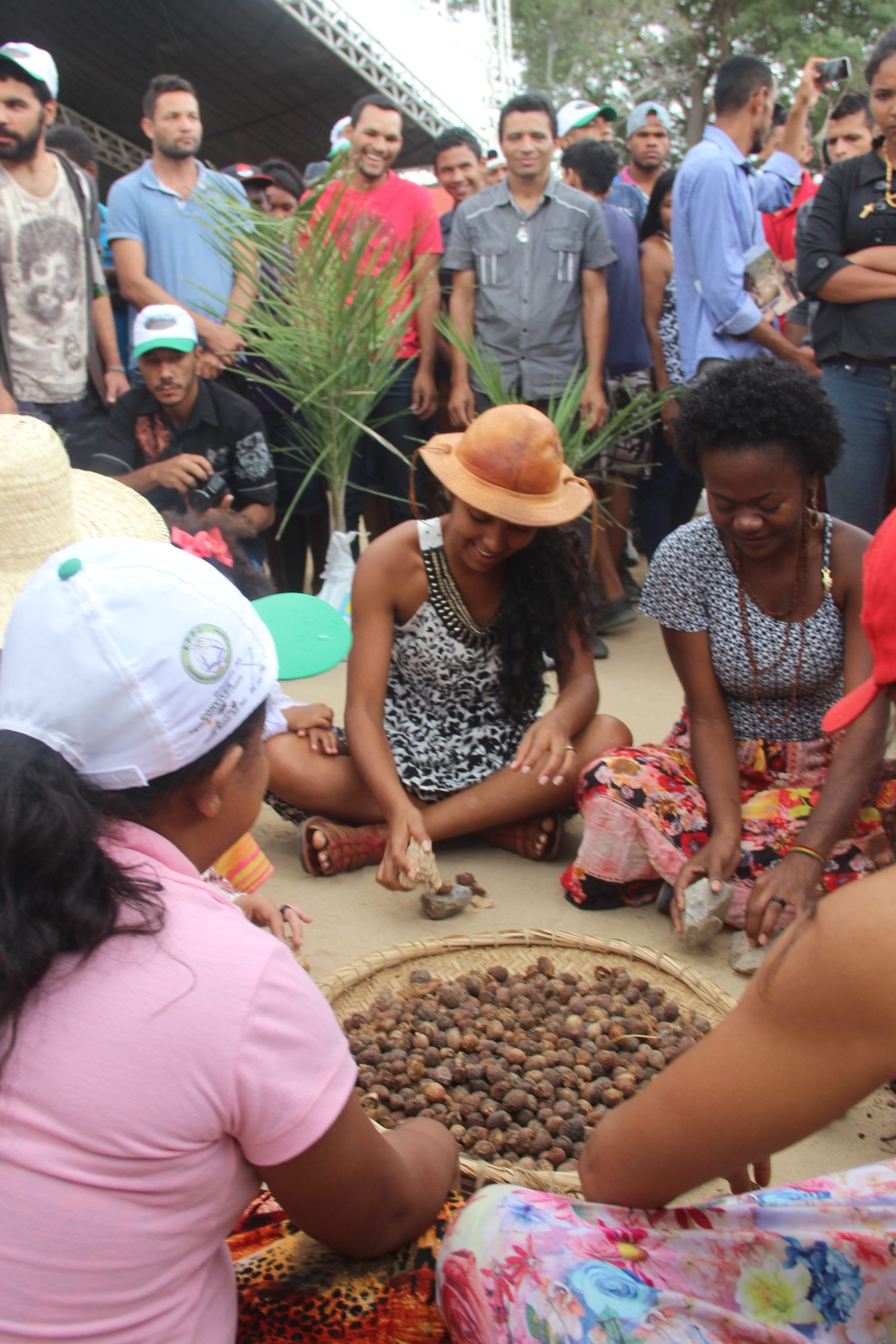
What did not work were open-ended questionnaires, which generated significant rework. The rich and diverse narratives had to be reorganised into analytical categories, a process that took time and required revisiting earlier stages. Today, I believe that an initial workshop on quantifying non-economic losses would have helped us design more appropriate research instruments from the beginning.
Limited time and budget also required difficult choices. We prioritised the sociocultural elements most central to loss and damage, such as food traditions, especially those linked to threatened agricultural practices, while setting aside other relevant aspects that fell outside the scope, such as sub-activities within local production chains.
My background in social communication and years of work with vulnerable populations helped me balance academic writing with accessibility. Still, the greatest challenge was ensuring that scientific rigour did not silence local knowledge. In this context, mentorship, especially during the final stage, was crucial to refining the thesis and clarifying adjustments. If I could start again, I would have sought this methodological support from the beginning, particularly to strengthen the research design.
What do we take forward into future research?
One fundamental lesson stands out. Quantifying economic loss and damage must begin with non-economic losses. These include the loss of traditional recipes, the disappearance of preparation techniques, the devaluation of women’s knowledge, and the fading of songs related to planting, harvesting, and processing. These losses intersect to impact family income, local economies, and social cohesion.
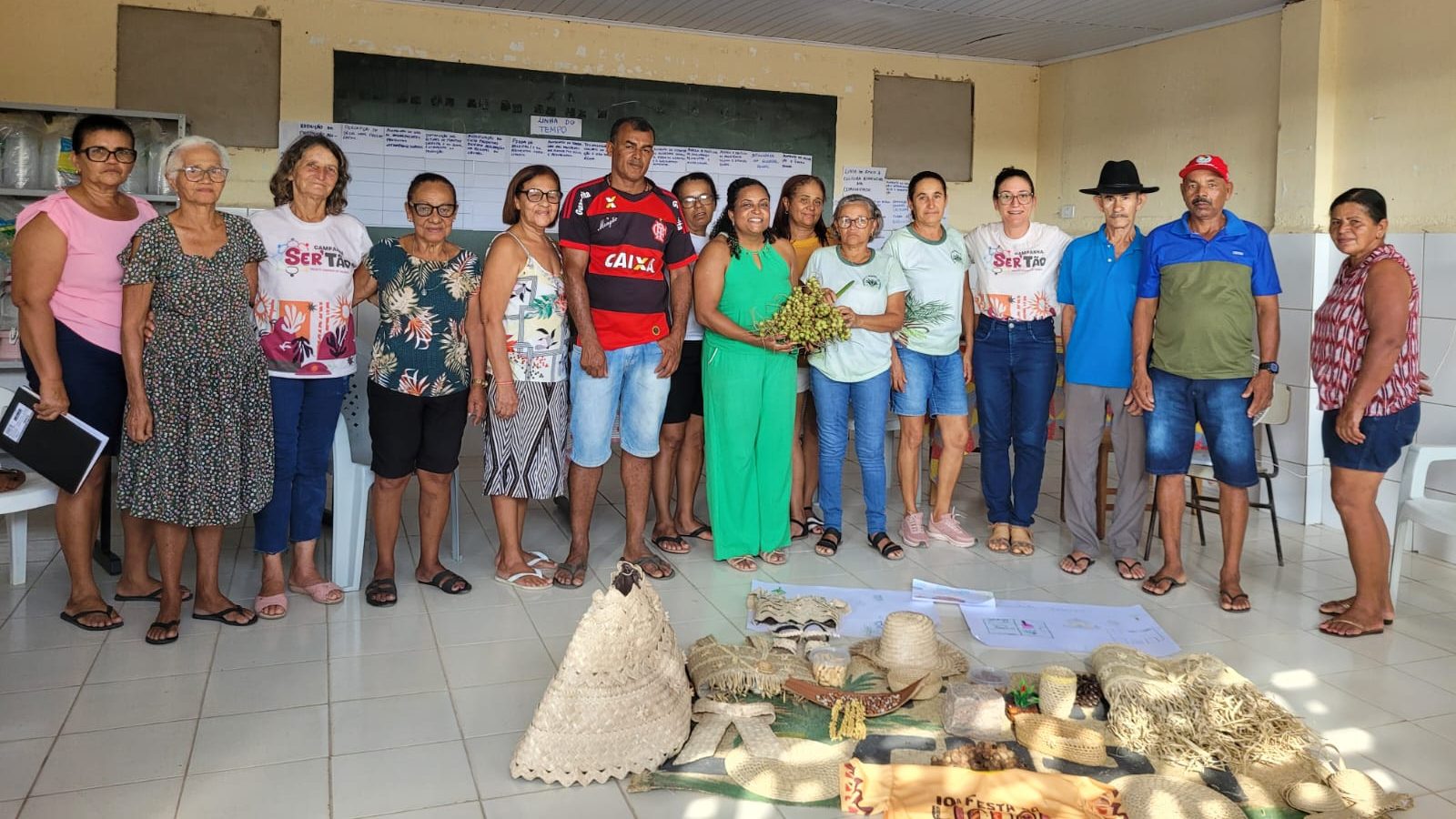
For this reason, any climate adaptation policy in semi-arid territories must consider socio-environmental resilience through the lens of culture. It is not only about ensuring food supply. It is about protecting the meanings that sustain food, both nutritionally and culturally.
Today, looking back on this journey, we understand that the research did more than document losses. It showed us that food cultural heritage is itself a form of resistance. Protecting it also means protecting ways of life, memories, and identities.
Key lesson
Struggles within territories are deeply interconnected. The fight for land, access to water, financing, and dignified production conditions is an interlinked dimension that is essential to ensuring that families can remain in their communities, producing continuously and with dignity.
Author/s
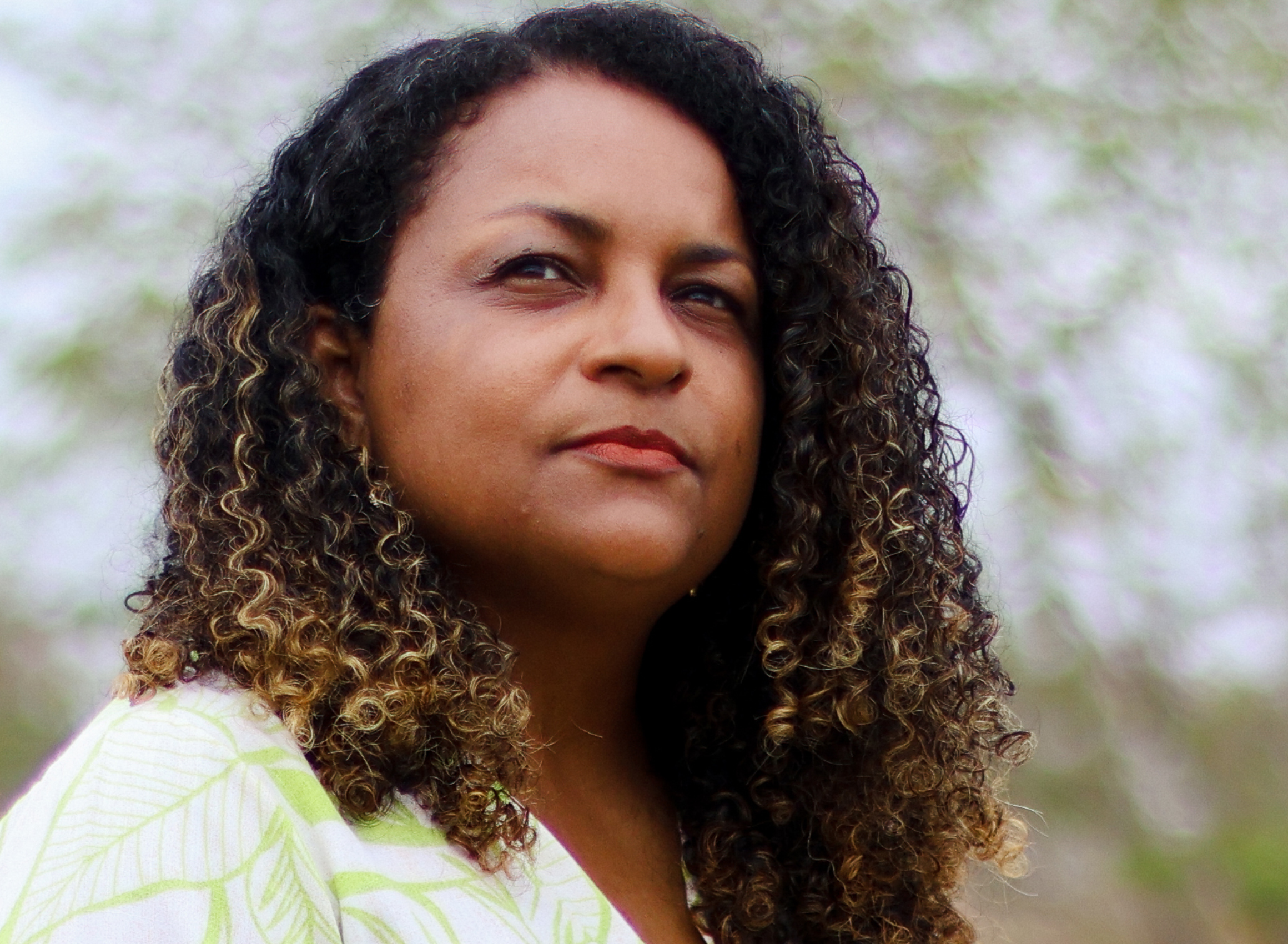
Lourivania Soares is a journalist and professor at the Public Policy and Social Technologies Training Centre at the Universidade Federal do Sul da Bahia (UFSB), and a researcher at the Observatório Internacional de Perdas e Danos, as one of the selected fellows of the Saleemul Huq Scholarship. Through this scholarship for Loss and Damage research, she led a study on food cultural heritage and non-economic losses in semi-arid Bahia, Brazil. She holds a master’s and a PhD in Culture and Society and has extensive experience working in public policy, with a focus on culture, gender, and the environment. She is currently seconded to serve as Executive Coordinator of Institutional Articulation and Thematic Actions at the Secretaria de Políticas para as Mulheres do Estado da Bahia, contributing to the strengthening of integrated governmental strategies and the promotion of gender equality.
Leidiane Farias is a social communicator with a master’s degree in Interdisciplinary Studies on Gender, Feminism and Women, and a specialisation in Journalism and Regional Media and Historical-Critical Pedagogy. Her personal and professional trajectory has been deeply connected to rural populations, especially rural women. She was a research assistant for the study on food cultural heritage and Loss and Damage in semi-arid Bahia, conducted as part of the Saleemul Huq Scholarship. She volunteers with the Plataforma Mulheres de Base Praticantes de Resiliência do Brasil, which strengthens women’s leadership in the semi-arid region to influence public policy at local, national, and global levels. She has also worked as a consultant for the Value Chains project of FAIR for ALL, an initiative present in 13 countries aimed at strengthening fair and inclusive trade.