My research journey in Nyaminyami District was more than a field exercise. It became a deeply revealing encounter with the hidden costs carried by rural communities, especially those living alongside wildlife areas. What emerged was not only evidence of loss, but also a clearer understanding of the ethical complexity involved in documenting it.
In Loss and Damage (L&D) research, the hardest part is rarely data collection itself. The real challenge rests in navigating invisible terrain: expectations formed by past interventions, consent given under hierarchy, and losses that people struggle to name because they are tied to shame, fear, conflict, or profound grief.
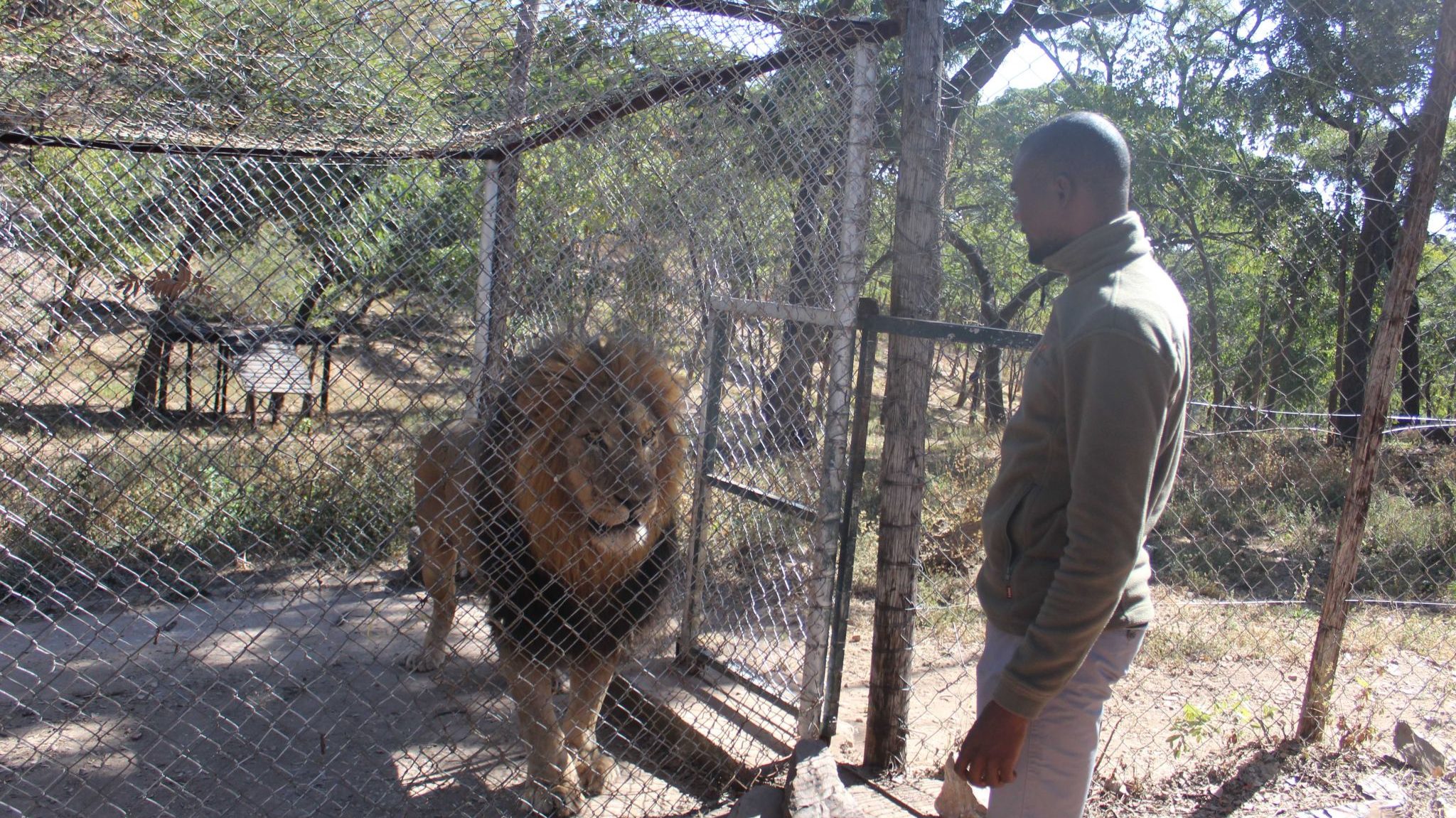
This article shares practical lessons from grassroots fieldwork in Nyaminyami District—what worked, what backfired, and the kinds of decisions researchers must make in the field that protocols alone cannot prepare them for.
Communities are tired of being studied without seeing change
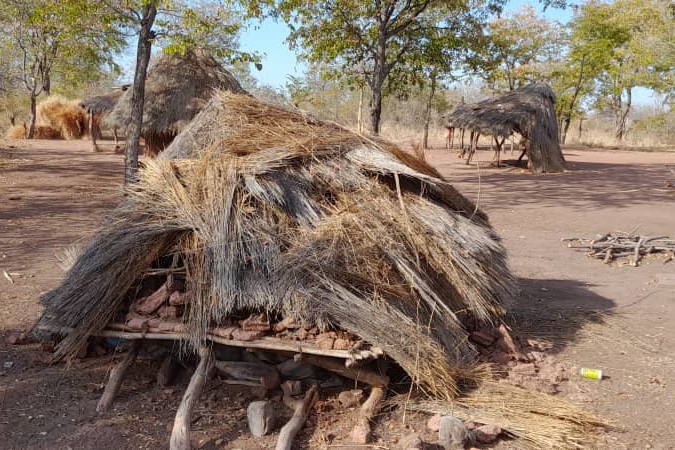
Communities at the wildlife frontier are often exhausted by repeated research that produces reports but little visible change. Under such circumstances, ethical research must do more than extract stories. It must contribute to building pathways toward solutions.
The first time I asked a simple question about loss, the response did not come as numbers. It came as a pause, long enough to suggest that the person was not only recalling an experience but also weighing the cost of honesty.
The question wasn’t simply What happened? It had become:
What happens to me if I say this?
That pause captures one of the most important realities of L&D research across the Global South. We often imagine evidence as something we can extract using the right methods and tools. But in practice, evidence is something people release carefully, and only when conditions feel safe, respectful, and worth the emotional or social cost of speaking.
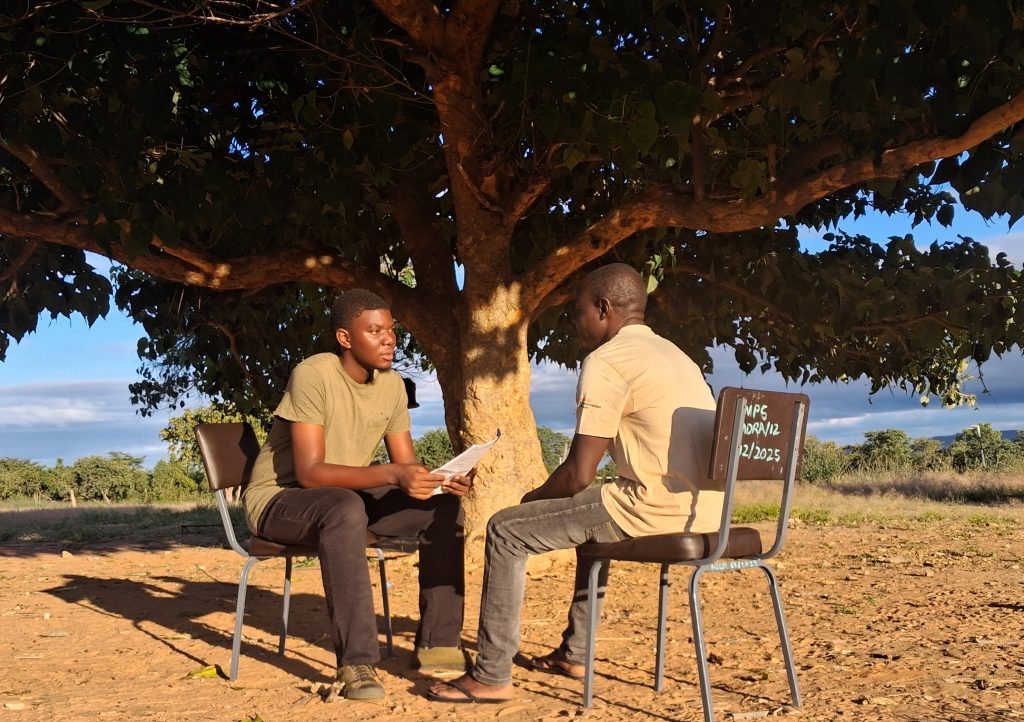
These reflections are drawn from my work in Nyaminyami District, where drought pressures intersect with livelihood uncertainty. The experiences and practical choices from this fieldwork may be useful to researchers and practitioners working on both economic and non-economic loss and damage in similar contexts.
Consent often happens under pressure. In many L&D research settings, consent is never neutral. It is formed by expectation, fear, and the politics of survival. When researchers ignore those pressures, they may still produce a rigorous paper—but one that is ethically fragile and socially misleading.
Data and expectation auditing
Research is not neutral; it is always perceived through the lens of context and history. When researchers arrive in a community, people often understand their arrival through the lens of past assessments, short-lived projects, and systems that solely acknowledge suffering when it becomes useful.
The first questions people ask are rarely about methodology. Instead, they ask:
Will this project help us?
How will it help us?
Who sent you?
What will this lead to?
Is this support, selection, or surveillance?
If I speak honestly, will it help me—or expose me?
That is why entry into a community should be treated as part of the research method itself.
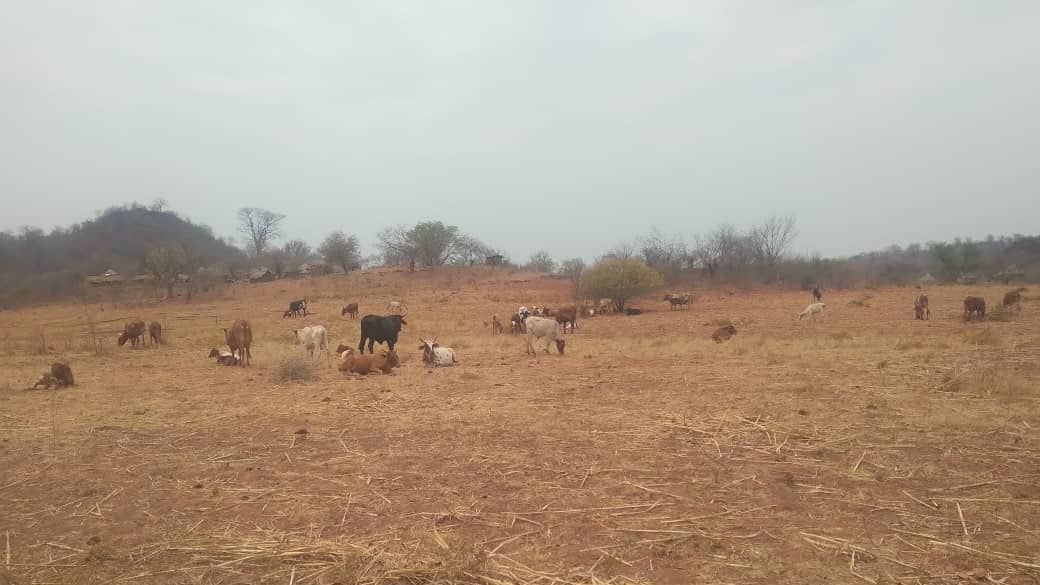
During my work in Nyaminyami, I began conducting an expectations audit before interviews. This involved a short, plain-language conversation to surface what people thought the research was about and what they believed participation might bring. Then I reset expectations without killing hope. I clarified what I could and could not promise, how confidentiality would work, and what participation did and did not guarantee.
This mattered because people are not being manipulative when they shape answers around what they think a visitor wants to hear. They are traversing a world in which recognition is scarce, and speaking can be costly. Above all, they want their realities to be heard.
Research tools are never just tools
A consent form may be viewed as a contract. A questionnaire may be seen as a gatekeeper—deciding whose loss counts and whose does not. These reactions are not irrational. They are learned through experience.
For that reason, I stopped beginning interviews with the language of “loss and damage.” Instead, I started with prompts rooted in daily life, such as:
What becomes harder in the dry months?
What do you stop doing first?
What do you protect at all costs?
What changes in how people relate to one another?
These questions reduced pressure and helped build trust. Only after that trust had developed did I invite participants to identify experiences as economic or non-economic losses.
Allowing people to speak first in their own terms revealed details which formal categories might otherwise flatten.
Consent is a moving target
Research ethics often presents informed consent as a straightforward sequence: explain, ask, sign, and proceed. But field realities are rarely that simple.
In hierarchical settings, a “yes” may reflect respect rather than willingness. In aid-saturated settings like Nyaminyami, a “yes” may be a strategy for visibility, a way of ensuring one’s suffering is seen. In more sensitive contexts, a “yes” may conceal fear.
In L&D research, consent should therefore be treated as continuous rather than one-off.
I learned to re-check consent when conversations moved into more sensitive territory, and to make stopping feel socially safe. Saying “We can skip this” or “We can stop here” only matters if the right to withdraw is believable in your tone.
One of the most important lessons I learned was this:
Completeness is not always the highest value. Safety is.
The most important losses often arrive sideways
Non-economic loss and damage (NELD) is often the deepest kind of loss, and also the hardest to name directly.
People do not usually say, “I lost wellbeing” or “social cohesion declined.” Instead, they say:
We do not visit each other like before.
Children do not sleep well in certain months.
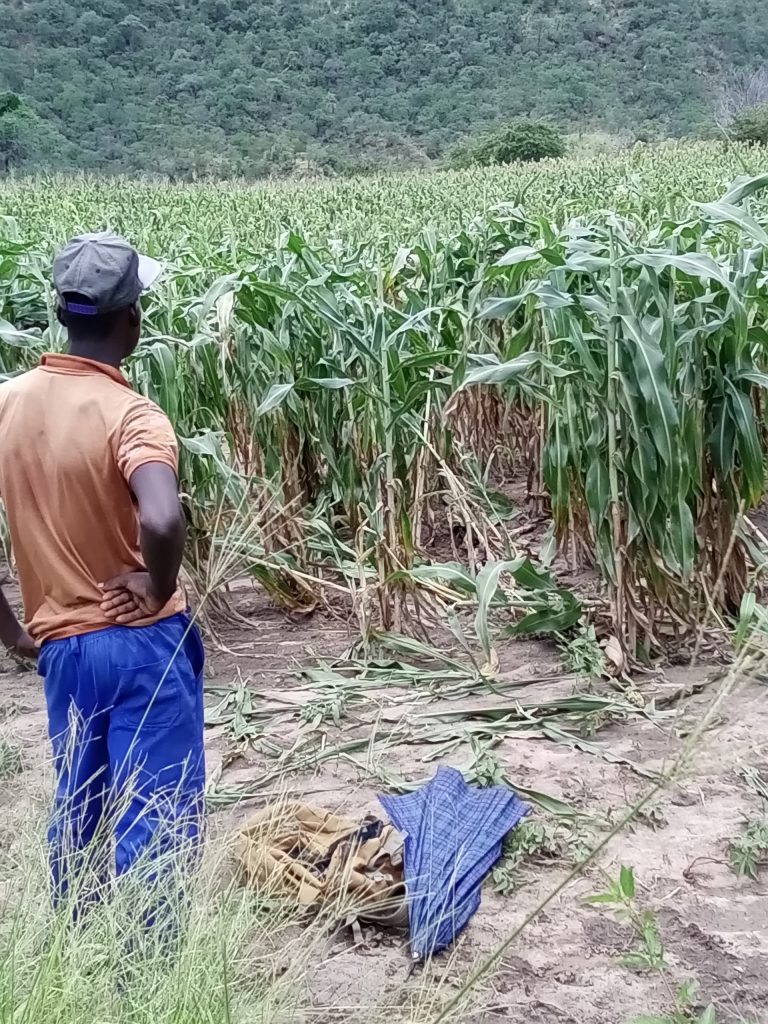
Wildlife is destroying our crops and livestock.
We used to like animals, but now we are always negotiating survival.
These are not soft impacts. They point to the social and psychological foundations of everyday life beginning to crack, dignity, peace of mind, belonging, cultural continuity, and the ability to plan ahead.
To understand NELD, I listened to routines and relationships. I asked about:
- time use
- mobility
- schooling
- household stress
- community meetings
- wildlife interactions
- What people had stopped celebrating or practising
I let stories unfold before applying labels. In many Global South settings, the losses institutions most reliably overlook are precisely those that leave no receipts behind.
As Serdeczny, Bauer, and Huq (2017)1 note, non-economic losses remain under-recognised despite their policy relevance. Research methods must therefore make the invisible speakable—without pushing people into unsafe disclosure.
Silence is not missing data. It is context.
There were moments during fieldwork when the atmosphere in the room changed. Laughter tightened. Eye contact disappeared. Answers became vague.
At first, it was tempting to interpret this as reluctance. But often, it was something else: risk management.
Certain truths are costly to say aloud. They may implicate others, challenge dominant narratives, or reveal coping strategies people do not want recorded.
I came to understand silence not as missing data, but as meaningful context—sometimes even as the language of trauma.
In L&D research, silence should be treated as a warning light. When I sensed that the silence was about safety, I changed my approach rather than pushing the person. I shifted to indirect prompts or changed the setting.
Pushing through silence can produce both harm and false evidence, because people may say whatever is necessary to end discomfort.
Leadership opens doors, and edits the room
Respecting local leadership structures is essential for legitimate entry and safe engagement. But leadership presence also affects what can be said, especially in focus group discussions (FGDs).
Public narratives usually emphasise harmony. Private realities carry the sharper edges of loss.
In my research, I followed leadership protocols carefully, but I also created smaller, more private spaces for testimony. Participatory methods helped reduce domination and allowed people to contribute without direct confrontation.
This made it easier to distinguish between the public story and the private truth.
When stories implicate others, notes become dangerous
L&D research can surface blame, conflict, institutional failure, and contested forms of coping. In such cases, even a single detail can identify someone. That means researchers must write as though their notes could leak. In practice, this requires:
- de-identifying by default
- avoiding uniquely identifying names and locations
- thinking carefully before recording audio
- using composite phrasing in public writing
Evidence that harms the people who share it is a failure—even when it is accurate.
Was I seen as a Researcher or an Intervention?
The field team is never neutral. Affiliations, language, age, transport, and even the person who introduces you can shape the data you receive.
Participants often modify their narratives based on what they think you can change.
To account for that, I built reflexivity into my workflow. At the end of each day, I asked myself:
Who spoke most, and why?
Who stayed quiet, and what protected that silence?
Which answers sounded rehearsed?
What did I avoid asking—and was that ethical caution or personal fear?
Reflexivity in L&D research is not self-criticism. It is a form of quality control, especially in situations where cultural proximity and professional ties may deepen trust while also raising expectations.
Closing the loop without selling hope
L&D research can create hope simply by accepting loss. For many participants, being listened to feels like the first step toward support.
That hope should be treated with care. It becomes harmful when researchers inflate it.
I learned to leave the field with honesty: explaining next steps clearly, avoiding promises I could not control, and thinking carefully about how to provide feedback without exposing individuals.
Leaving well is part of ethical practice.
Why this matters for Global South L&D Policy and Action
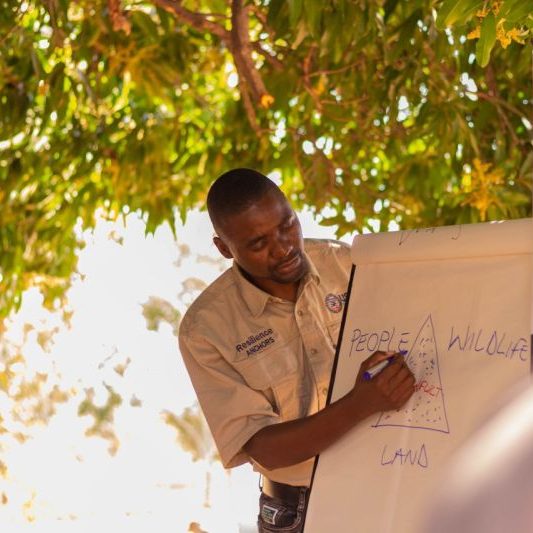
As global conversations around L&D policy and finance expand, field realities remain at risk of being reduced to metrics that miss what communities feel most acutely.
If research processes ignore pressure, fear, and hierarchy, they may produce evidence that is: tidy but untrue, or true but unsafe
Researchers and practitioners in the Global South carry the difficult responsibility of documenting economic loss without erasing dignity, and centring non-economic loss without forcing disclosure.
In the end, the most important method is not the questionnaire. It is the ability to create conditions where truth can emerge safely.
Evidence begins where dignity exists. And dignity grows when we listen before we measure—together.
- Serdeczny, O.M., Bauer, S. & Huq, S. (2017) Non-economic losses from climate change: opportunities for policy-oriented research’, Climate Policy, 18(1), pp. 97–101. https://doi.org/10.1080/17565529.2017.1372268 ↩︎
Author
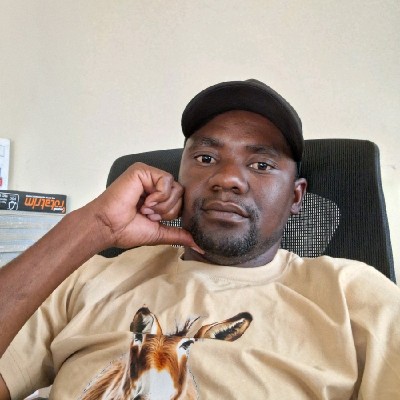
Kudakwashe Chuma is a Zimbabwe-based biodiversity, environment, and sustainability specialist with over five years of experience in community-led conservation, climate resilience, and human–wildlife coexistence. He currently serves as District Programs Coordinator at Wildlife Conservation Action. He conducted research on loss and damage through the Saleemul Huq Scholarship for Loss and Damage Research offered by the International Institute for Environment and Development (IIED). His work spans conservation leadership, landscape restoration, livelihoods, and carbon and greenhouse gas accounting. An AWF-Wall Leadership and Management Fellow and Saleemul Huq Scholar, Kudakwashe is committed to advancing equitable, community-centred solutions that balance ecological sustainability with human wellbeing. Know more about him at https://lossanddamageobservatory.org/profile/Kudakwashe/Ng==