Researching loss and damage across the Ecuadorian Andes and Amazon has not been a linear journey. It has meant crossing difficult landscapes, learning how to listen through silence, and constantly balancing the rigour of the Comprehensive Climate Impact Quantification (C-CIQ) framework with the realities of communities living through a crisis they did not create. Over time, I realised that quantifying loss and damage is not only about numbers. It is also about learning to see the world through the eyes of people determined to endure.
This study explores both economic and non-economic losses to biodiversity and how these losses are linked to agricultural decline, local species extinction, the disappearance of native seeds, and the erosion of cultural identity.
Loss and damage are not always measured in Dollars
I still remember the first time I asked, “How much money did you lose due to climate change?” A woman answered with silence. Then she pointed to a small, empty plot of land. She told me that she used to grow corn there to feed her family and sell at the market. Now it produces nothing. The droughts have worsened, and there is no water for irrigation.
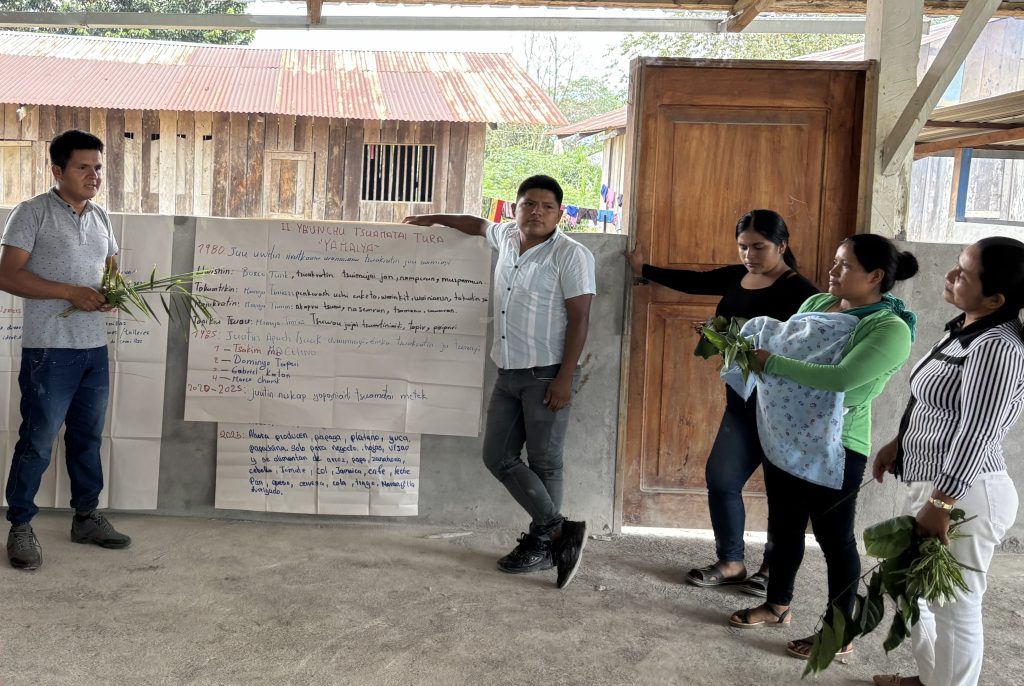
That moment, in a community in the Ecuadorian Andes, stayed with me. I had arrived with experience, a clear methodology, and the belief that numbers would explain what was happening. I had even brought photographs to help communities engage with a technical term they might not know. But what they taught me was much deeper: loss and damage are not always measured in dollars.
From silence to understanding
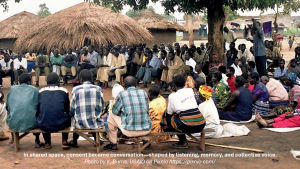
At first, I misunderstood silence. When local and Indigenous community members did not respond quickly, I thought they lacked information or were unwilling to participate. Later, I understood that silence was its own form of truth. My questions did not yet make sense in their world.
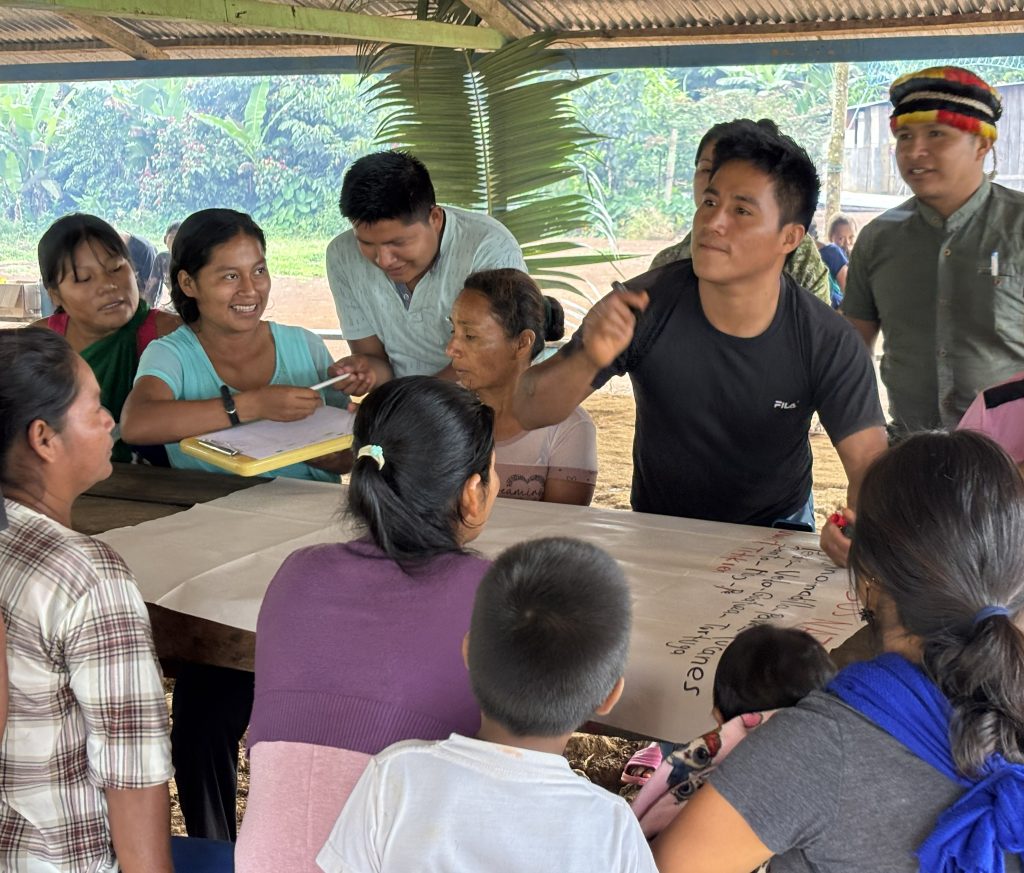
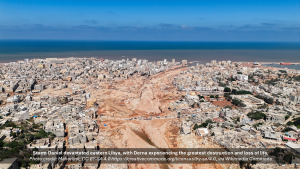
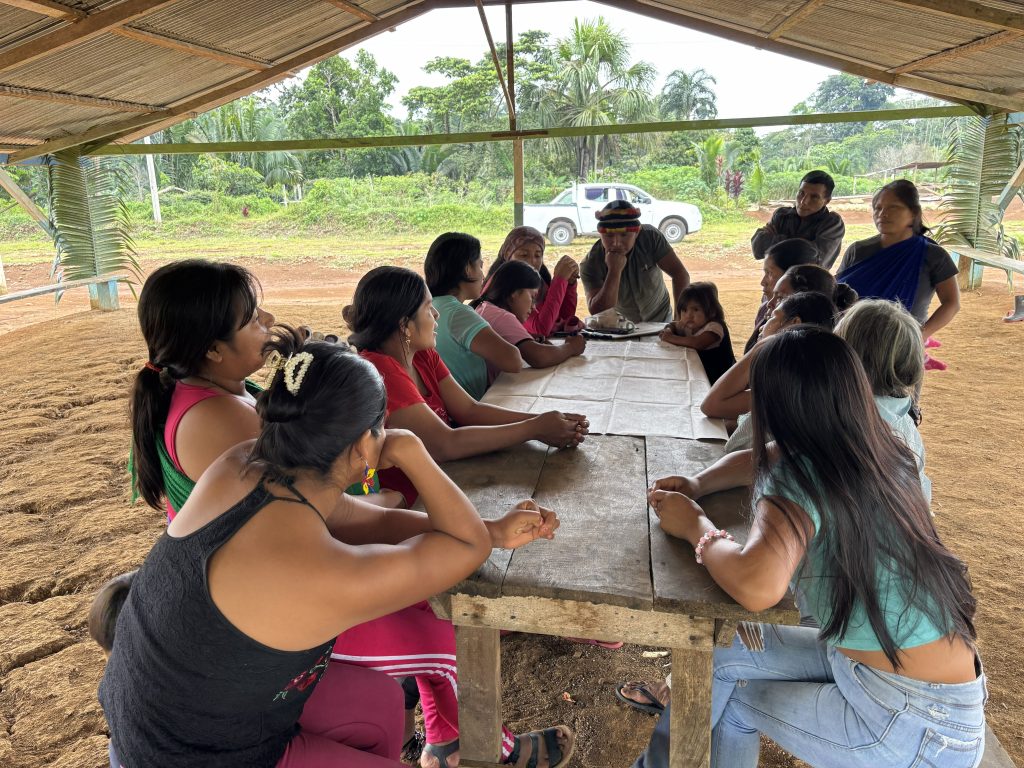
The term “loss and damage” sounded unfamiliar and distant. Some had never heard it before. So I began using photographs—of floods, landslides, failed crops, and species no longer seen. Those images created a bridge. They helped people understand the purpose of the research, but they also helped me understand how people were already living these realities without using the language of climate policy.
Once I recognised that, I changed my questions. Instead of asking, “How much money did you lose?” I asked, “Which crop can you no longer grow as before?” Slowly, numbers appeared. But so did losses that cannot be counted: fading words in local languages, cultural practices tied to native species, and forms of memory rooted in the land.
Researching within Andean-Amazonian realities
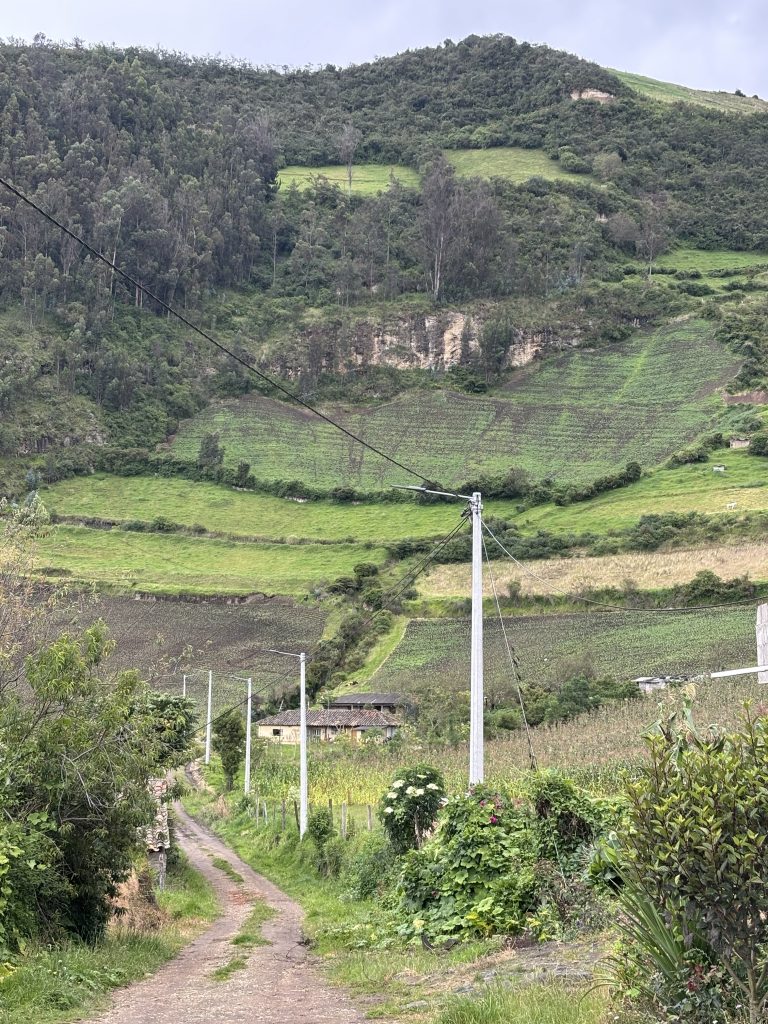
Photo: Wilson Lechón
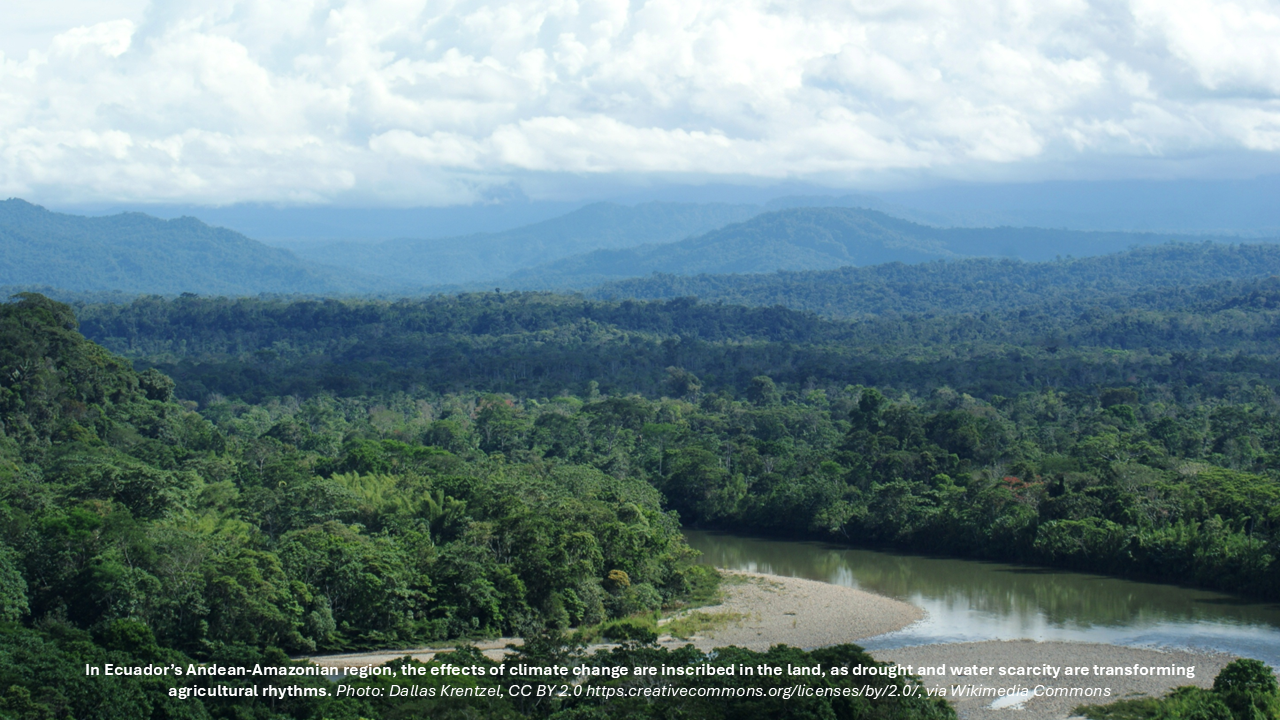
In these territories, the day begins before sunrise. In the Andes, people plant potatoes. In the Amazon, they harvest cassava. They do all this while facing frosts, droughts, and floods that can undo a season’s work in a single event. Research in these settings cannot be rushed.
In Andean communities, many participants were older adults with limited formal education. In Amazonian communities, younger people participated more often, but many still lacked access to electricity, internet, potable water, or sewage systems. Virtual surveys were simply impossible.
The stories I heard were not easy to forget. Young people are leaving for the cities because farming no longer provides a future. Medicinal plants have disappeared, along with healing knowledge that may never be passed on. Kichwa words are fading because the plants and animals they once named have vanished.
That is where I came to understand that biodiversity is not an abstract scientific category. It is the ground beneath food, water, culture, and belonging. When a species disappears, more disappears with it: a recipe, a song, a story.
What this research taught me
This work left me with three central lessons.
First, indicators cannot simply be transferred from one place to another. The C-CIQ framework was adaptable, but every variable needed to be grounded in local realities. What works in Pastaza does not necessarily work in Carchi.
Second, participation is not symbolic. It is essential. Community workshops did not just strengthen the data; they revealed priorities that my original research design had not captured. Early warning systems, for example, emerged not from my plan but from the communities themselves.
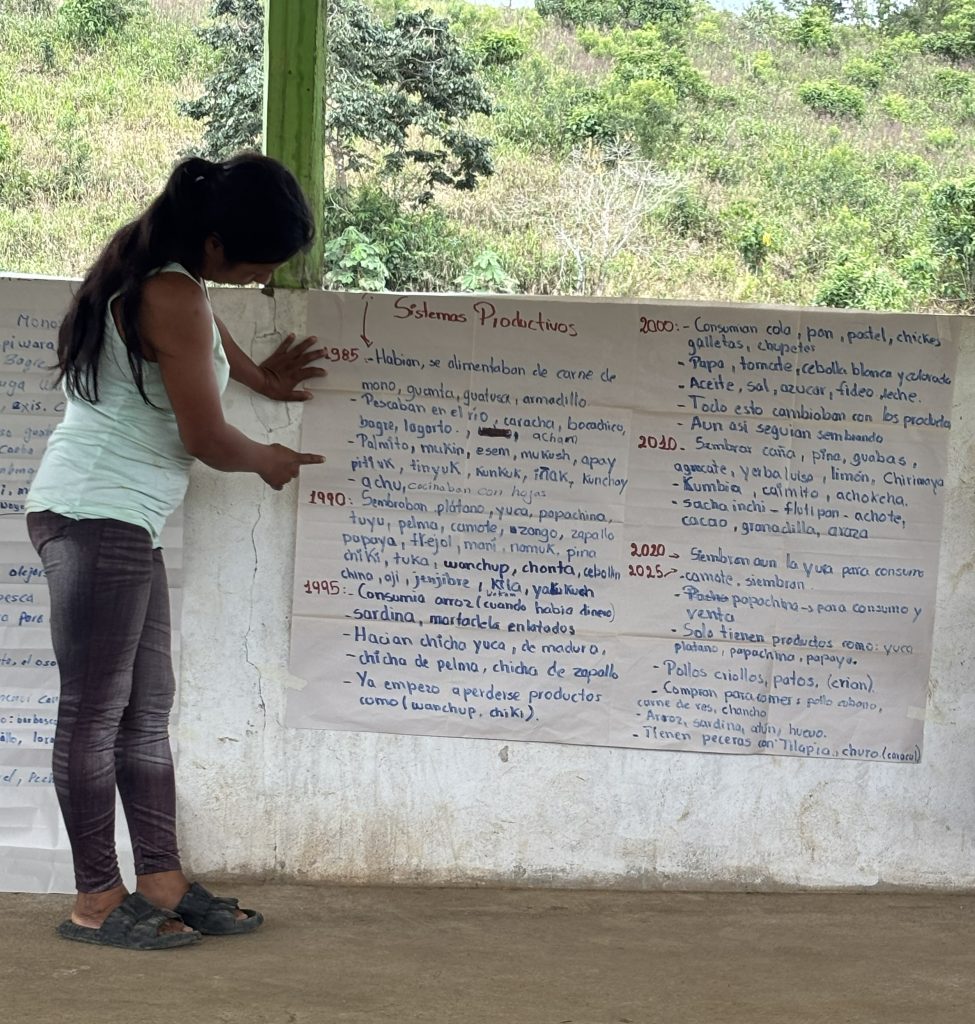
Third, and most painfully, this research exposed the State’s absence. Social protection is weak. Without social security, agroclimatic insurance, or investment in basic services, resilience remains deeply fragile. Communities are sustaining adaptation largely on their own, with only partial support from NGOs and international cooperation. They are protecting ecosystems, water sources, and traditional knowledge. But they should not bear this burden alone.
Toward a more just and committed climate science
By the end of this process, I had confirmed something I already sensed: communities that have contributed the least to the climate crisis are already facing irreversible losses. Climate science must document these realities with rigour, but also with justice and ethical responsibility.
That is why I believe participatory and transdisciplinary methods are essential. Across much of the global South, there is still too little information of this kind to guide decision-making in the face of climate breakdown.
Looking back, the most important lessons of this research were not only technical. They were human. They were found in the mistakes, the silences, the adjustments, and above all in the privilege of learning to understand loss and damage differently.
Author
Wilson Lechon is a climate change and biodiversity specialist with over 12 years of experience across science, policy, and international cooperation in Latin America. He serves as Lead Author for Chapter 5, Responses to Losses and Damages, in Working Group II of the IPCC Seventh Assessment Report (AR7). As a Saleemul Huq Fellow, he researched biodiversity loss and damage linked to climate change in Ecuador’s Amazon and Andes. He is also a Research Fellow at EvalIndigenous, where he studies Indigenous water governance among the Kayambi people. Previously, he advised Ecuador’s subnational governments and contributed to key national climate and biodiversity policies. Read more about him at https://lossanddamageobservatory.org/profile/Wilson/MjA=