In 2024, I had the honour of being selected as one of 25 awardees of the prestigious Saleemul Huq Scholarship awarded by the International Institute for Environment and Development (IIED). For me, this was more than an academic opportunity. It was a deeply meaningful chance to contribute to conversations on loss and damage within the Global South, and to do so through a subject that is both urgent and personal to many communities in Uganda.
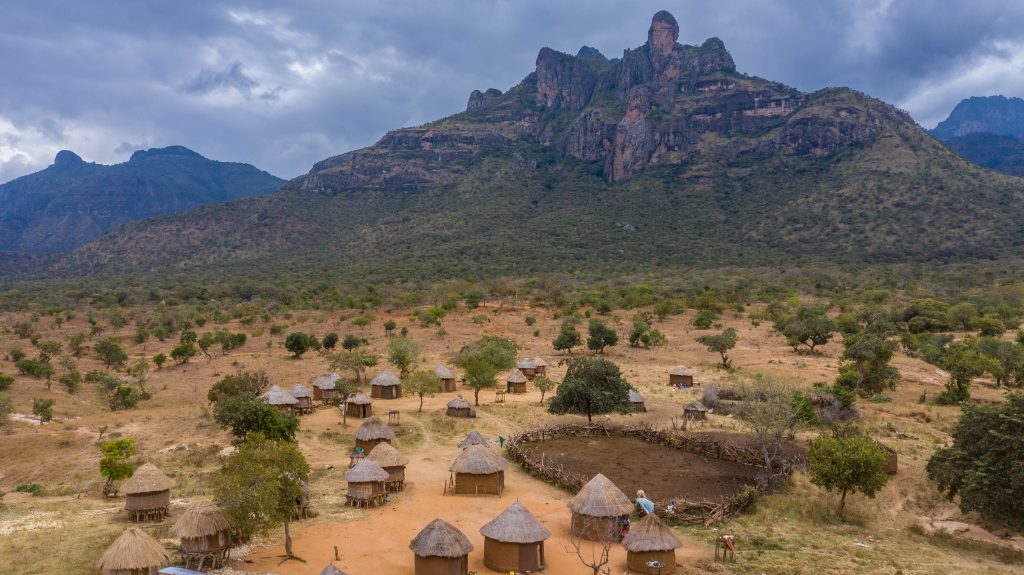
My research was entitled “Climate mobility in Karamoja: a case study of climate-induced rural-urban migration from Lokopo Sub-county, Napak District, Uganda”. The research was based on the fact that, in recent years, there have been increasing occurrences of climate change impacts in the Karamoja sub-region of Uganda, such as droughts and floods, which coincided with an increase in rural – urban migration from the area1 2. The main objective of the research was to examine the impacts of rural-urban migration on society and culture in Karamoja, highlighting both economic and non-economic losses and recommending solutions. This research was guided by the Comprehensive Climate Impact Quantification (C-CIQ) Methodology developed by IIED.
Moving from research design to field reality
As I moved from the study’s design to actual fieldwork, I quickly realised that research ethics would not remain merely theoretical principles on paper. They would shape every interaction I had with participants. Among all the ethical considerations, one issue stood out most strongly during data collection: obtaining informed consent.
One of the main ethical considerations at the data collection and analysis levels was the requirement for participants’ consent before commencing the research, which is our focus in this blog.
The main purpose of obtaining informed consent is to protect research subjects and respect their right to self-determination3. The requirements for consent to be valid are as follows; the consent has to be voluntary, it has to be informed, it has to be specific, it must be given in the form of an explicit and unambiguous declaration or act, participants must be able to withdraw their consent with ease at any stage of the research and also it must be documented through signed consent forms at any stage of the research4.
According to IIED, information such as the objective of the research, broad areas of research, medium of data collection, participant engagement, time required for data collection, use of the data, and the audience for the study findings should be brought to the participant’s attention before signing the consent form5. Furthermore, according to IIED, participants must be informed that there will be no compensation for the information provided during the research6. Assessing the above documents, the key principles to consider when obtaining consent are that it must be well-informed and voluntary, meaning participants should not simply sign consent forms without fully understanding the research context and their rights.
How I conducted the study
In this research, I adopted a mixed-methods approach, employing both quantitative and qualitative tools to collect data from Lokopo sub-county, Napak District (source of migration), and Katwe parish, Kampala District (destination of migration). This approach enabled me to analyse the perspectives and experiences of both migrants (respondents at destination) and non-migrants (respondents at source).
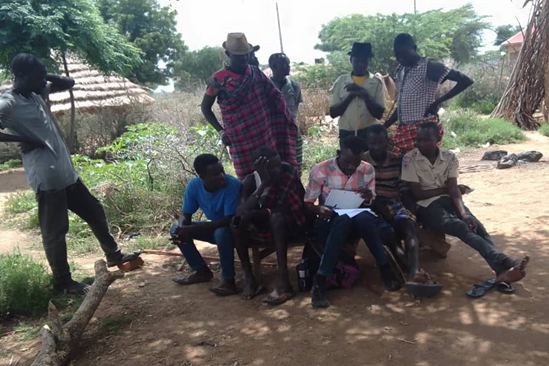
For the quantitative data collection, 20 household surveys were conducted at the source for non-migrants and at the destination for migrants. The total number of respondents in the household survey was 40. Across the 20 household surveys at both the source and destination, the research used stratified random sampling to select 10 men and 10 women as respondents to ensure gender balance.
For the qualitative assessment, Focus Group Discussions (FGDs) with community members (10 male & 10 female), elders (5 male & 5 female), and two Community-Based Organisations (CBOs) were conducted in Lokopo sub-county, Napak district. Key Informant Interviews (KIIs) with the District Forestry Officer (DFO) in Napak District and the Community Development Officer (CDO) in Napak District, Lokopo sub-county, were also completed as part of the study. In this process, I also received help from research assistants on the ground at both the source and the destination. We used two research assistants at the source and three research assistants at the destination.
Preparing to obtain informed consent
Although the logistics of the research were demanding, obtaining informed consent proved to be one of the most instructive parts of the process for me. Before heading to the field, we prepared draft consent forms based on templates we found online that had been used in similar research. The draft consent form included the interviewer’s name, the organisation guiding the research, a brief context of the research, the research objective, a space for the respondent’s name, and a space for the respondent’s signature.
The draft consent form was then shared with the IIED team for approval and comments. Upon receipt of the IIED Team’s comments, they were incorporated, and the final version of the consent form was completed.
All the research assistants were briefed on how to obtain consent and the steps to take before proceeding with field interviews.
What informed consent looked like in practice.
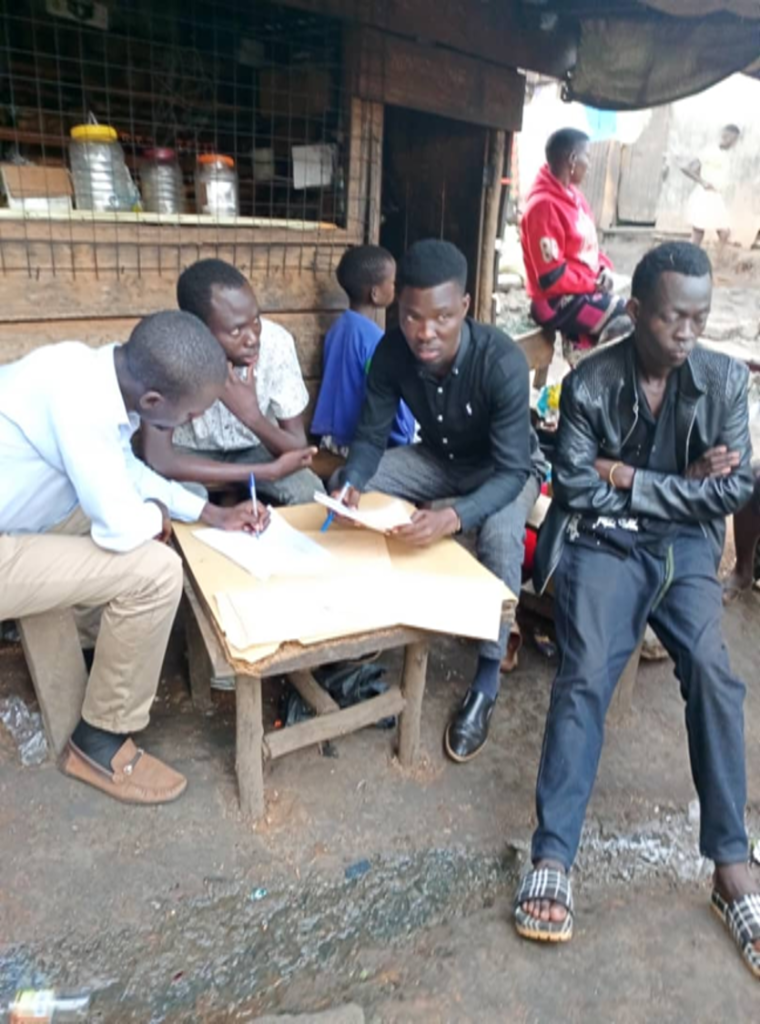
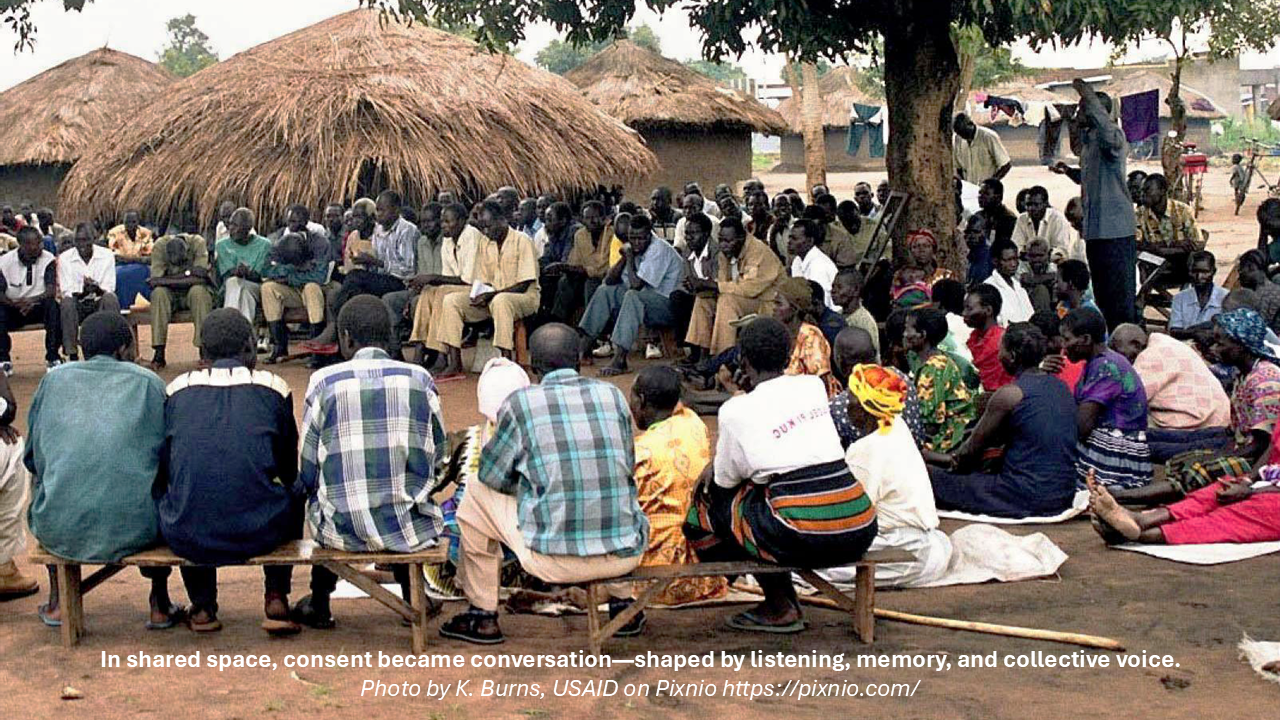
We then proceeded to the field with the approved consent forms for both source and destination. At the start of each activity, we expressly informed participants that we would require their consent before commencing.
We read out the consent form before each of the 40 household surveys, 3 FGDs, and 2 Key Informant Interviews, ensuring that participation was voluntary and that participants fully understood it. The consent forms were also interpreted in “ngakarimojong7” for each respondent who did not fully understand English before signing.
Any questions or concerns from participants regarding the consent forms were addressed before the forms were signed.
We ensured that each participant’s name and either a signature or a fingerprint were recorded before proceeding with the respective activities.
This process taught me that informed consent is not a mere formality. It is a conversation. It was a moment when I had to slow down and ensure the participant was not merely present but truly informed. That distinction became very important to me.
Challenges I encountered in the field
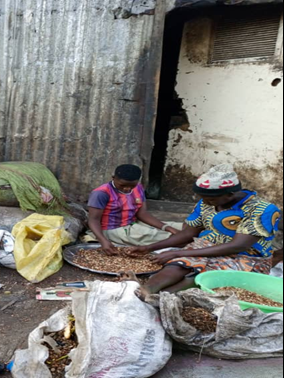
Photo: Emmanuel Achellam
One of the first challenges I encountered was the time-consuming nature of the process. Initially, we intended to read the consent form aloud to all participants at each activity and have them fill it in simultaneously, but many did not understand its content or purpose. Therefore, we had to read it to each participant before the interview began. The process of reading the consent form, interpreting it for each participant, and ensuring each participant signed or placed a fingerprint before proceeding with the household interview took a long time. To address this, we had to act a little quicker to save time.
I also found the process repetitive and monotonous. Because we had to read the same consent form to over 40 participants, it eventually felt repetitive and monotonous. Regardless, we continued and completed the research.
Perhaps the most difficult challenge was trust issues. For some participants, taking their consent caused mistrust. They suspected the exercise was a Government undercover investigation. Some potential participants believed it was a way to incriminate them, so they opted out of the research. To ensure we were not misunderstood, we explained the purpose of the research and expressly stated that it was not an undercover operation.
What the process taught me
Despite these challenges, the process had clear benefits. After obtaining participants’ consent, I felt a boost in confidence, knowing they were fully aware of our research objectives, which made our interviews more interactive.
It also gave me a sense of legal and ethical assurance. Having obtained the participants’ consent, we were confident that, in the event of any future legal queries regarding the source of the information, we had consent forms as our safeguard.
A lasting reflection on ethical research
Looking back, the requirement of informed consent feels essential to me not just as a procedural step, but as one of the clearest expressions of ethical research practice. Obtaining informed consent from all participants may be a little tedious, depending on the scale of the research. Still, it is vital because it exempts researchers from future legal liability and gives them greater confidence while operating with clarity about the terms of their relationship with participants.
Field research on climate-induced migration exposed me to stories of loss, adaptation, uncertainty, and resilience. But beyond the findings, it taught me something about my own responsibility as a researcher. Ethical practice is not separate from data collection; it is part of the heart of the work. If there is one lesson I carry forward from this experience, it is that informed consent protects participants, strengthens trust, and reminds me that good research begins with respect.
Notes and References
- Mixed Migration Centre, (2023), Climate and mobility case study, Karamoja, Uganda, Nadunget. Available at https://mixedmigration.org/wp-content/uploads/2023/01/259_Case_Study_5_Uganda.pdf, last accessed on the 30th of November 2025. ↩︎
- Stites E., Mazurana D., and Akabwai D., (2007) Out-migration, Return, and Resettlement in Karamoja, Uganda: The case of Kobulin, Bokora County, Feinstein International Centre. Available at <Out-migration, return, and resettlement in Karamoja, Uganda: The case of Kobulin, Bokora county – Uganda | ReliefWeb> last accessed on the 29th November 2021 ↩︎
- How to inform research subjects and ask for their consent, Stockholm University, 2026, last accessed on 10th April 2026, available at https://medarbetare.su.se/en/research/research-integrity-ethics-and-legal-aspects/research-on-human-subjects-and-personal-data/how-to-inform-research-subjects-and-ask-for-their-consent ↩︎
- Ibid n.3 ↩︎
- IIED, Ethical considerations to be followed under the Saleemul Huq Memorial Scholarship for loss and damage, 2026 ↩︎
- Ibid n.5 ↩︎
- Ngakarimojong is a Nilotic language spoken by the people, primarily the Karamojong agro-pastoralist communities in northeastern Uganda. ↩︎
Author
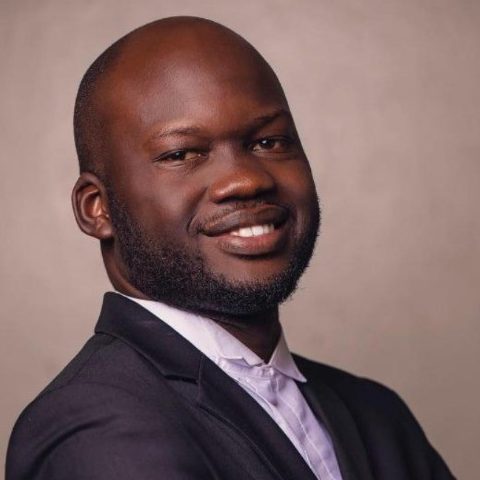
Emmanuel Achellam is a Ugandan lawyer and researcher whose work focuses on climate change, biodiversity, and natural resource management law. He is the founder and Board Director of Terra Legal Research Centre, a nonprofit organisation dedicated to climate, biodiversity, and nature conservation. Emmanuel began his professional career at Advocates for Natural Resources and Development, where he worked with mining-affected communities in Uganda’s Karamoja sub-region from 2020 to 2022. He holds an LLM from Stockholm University and an LLB from Makerere University. Supported by the Saleemul Huq Scholarship for Loss and Damage Research from ALL ACT/IIED, he researched climate-induced rural–urban migration in Lokopo Sub-county, Napak District, Uganda. Read more about him here: https://lossanddamageobservatory.org/profile/Achellam/MTQ=