One of the greatest privileges in my professional journey has been the opportunity to mentor emerging scholars and practitioners working in the climate change and Loss and Damage space. In a rapidly evolving field, mentorship is no longer a ‘nice-to-have ’; it is becoming essential to ensuring that the next generation of climate leaders can navigate the increasingly complex realities of implementation, finance, transparency, and justice.
I would first like to extend my sincere appreciation to the International Institute for Environment and Development (IIED) for entrusting me with the opportunity to serve as a mentor within the Saleemul Huq Memorial Scholarship, managed by the ALL ACT initiative of IIED. Supporting postdoctoral scholars who are contributing to this critical body of work has been both professionally rewarding and personally inspiring. What stands out most in these engagements is not simply the academic excellence of the scholars themselves, but the depth of their commitment to understanding the lived realities behind climate impacts.
Lessons from the climate policy frontlines
Over the years, my own professional journey has intersected with many dimensions of this evolving climate discourse. I have had the opportunity to work across climate governance, adaptation, resilience, climate finance, transparency systems, and Loss and Damage processes in ways that continuously reinforce one central lesson: technical solutions alone will never be enough. My experiences as a climate negotiator, technical and strategic advisor to governments, researcher, and practitioner have exposed me to both the strengths and limitations of the global climate architecture.
The evolving loss and damage landscape
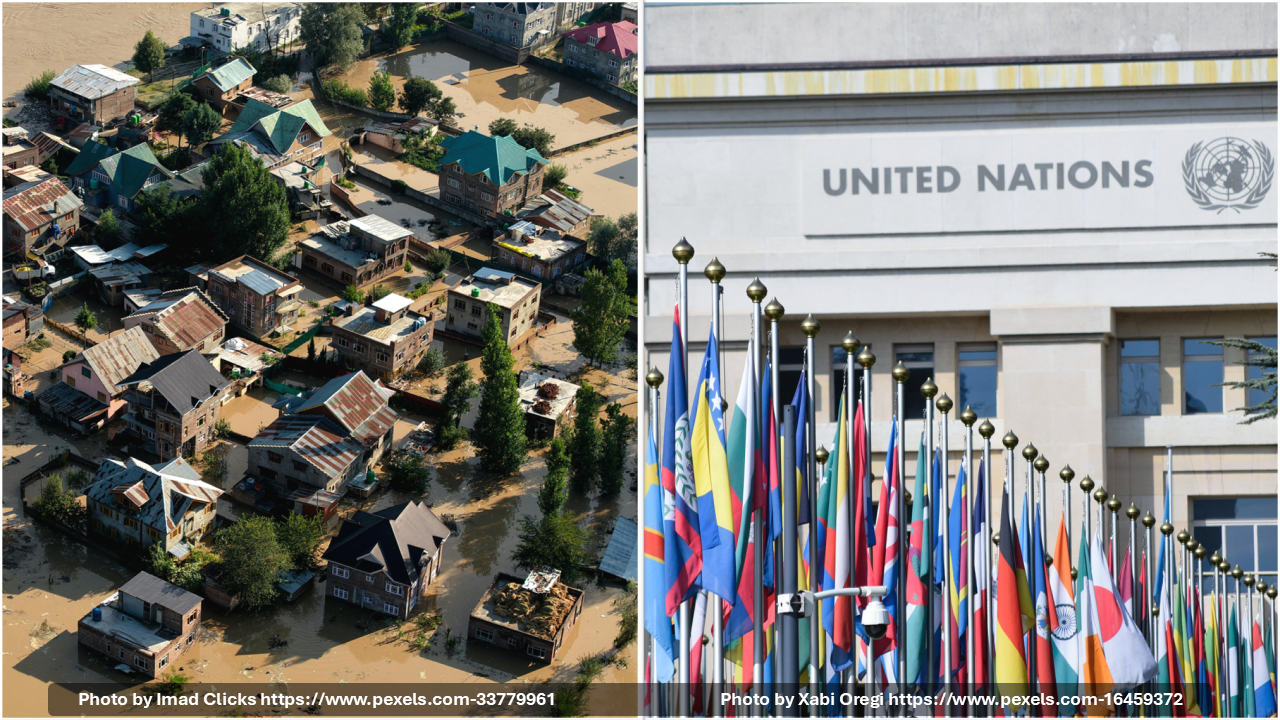
The Loss and Damage discourse has matured significantly in recent years. What was once considered politically difficult to acknowledge has now become a central pillar of global climate conversations. It is within this space that mentorship becomes particularly important, and long-term knowledge transfer, mentorship, and capacity building become indispensable. Emerging scholars entering this field today are expected to navigate interconnected systems and increasingly sophisticated reporting obligations under the Enhanced Transparency Framework (ETF). They must also engage with the political economy dimensions of climate finance and understand how development priorities shape climate responses. Mentorship, therefore, is not only about guiding academic research but also about helping future generations build the confidence, strategic thinking, technical depth, and contextual understanding necessary to operate effectively within this landscape.
Lived realities and local knowledge
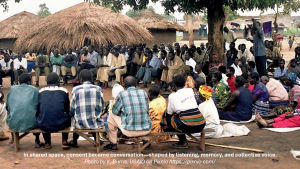
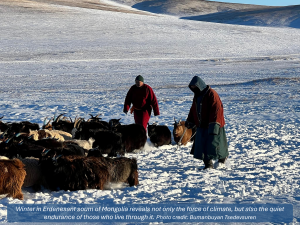
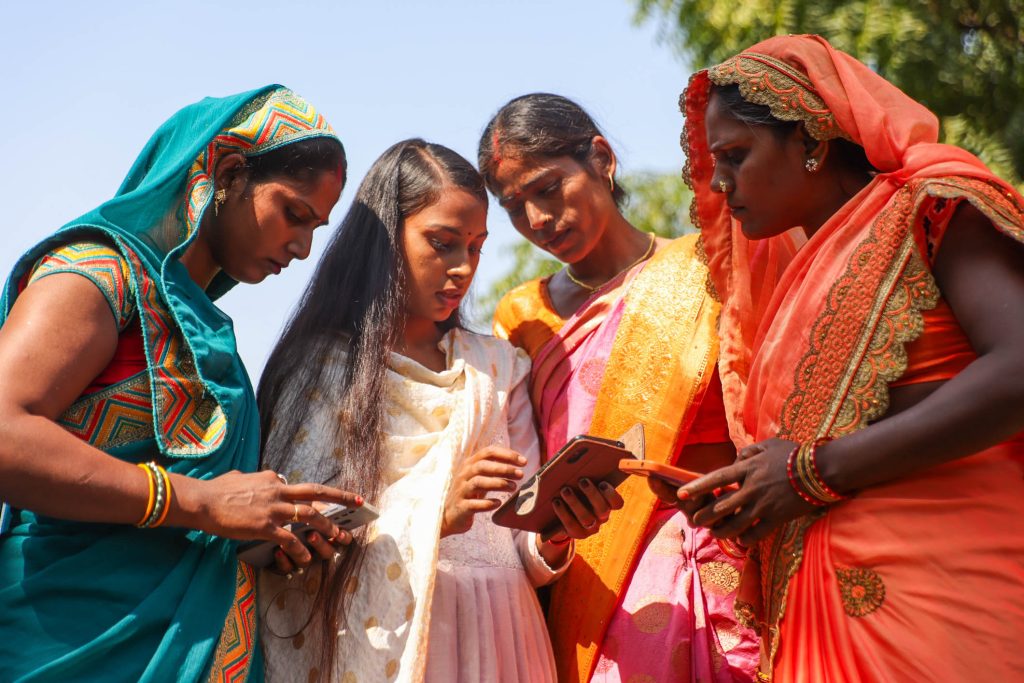
Communities experiencing Loss and Damage are not merely “beneficiaries” of climate interventions; they are knowledge holders, innovators, and frontline responders. This is why the work emerging through this Scholarship is so important. It creates space for deeper reflection on how climate realities are experienced, interpreted, and addressed across different contexts. In this regard, the work of scholars Dr Preeya Mohan and Dr Cyril Effiong is particularly valuable. Their research and insights contribute to a broader understanding that Loss and Damage cannot be viewed through a single lens. It intersects with governance, inequality, social systems, financial access, and human dimensions of vulnerability and recovery.
What I have appreciated most through these mentoring engagements is the willingness of emerging researchers to challenge assumptions and push the discourse toward more inclusive and practical approaches. There is growing recognition that resilience is not static, and that vulnerability cannot be reduced to indicators or datasets alone. This is also why I believe the intersection between Loss and Damage and transparency systems will become increasingly important in the years ahead.
Why transparency systems matter
As countries work toward implementing Biennial Transparency Reports (BTRs) under the Paris Agreement, there is a growing need to strengthen national capacities not only for reporting emissions but also for tracking adaptation progress and Loss and Damage realities in ways that are meaningful and actionable. However, many developing countries continue to face significant gaps in institutional coordination, data systems, technical expertise, and long-term capacity support. These challenges have direct implications for countries’ ability to effectively access finance and advocate for equitable support within international processes.

Building capacity for a more resilient future
This is where a new generation of climate capacity building is urgently needed. My own vision moving forward is deeply rooted in this objective. I want to contribute to strengthening Global South capacity through integrated support that addresses the realities countries face amid the evolving transparency and Loss and Damage agenda. This includes helping governments navigate BTR processes more effectively, supporting institutional strengthening, mentoring young researchers and practitioners, and ensuring that local realities remain visible within global reporting and finance systems. At the same time, the private sector also has an increasingly vital role to play. Businesses can no longer operate in isolation from the climate realities that affect the societies and systems in which they function.
Resilience through shared learning
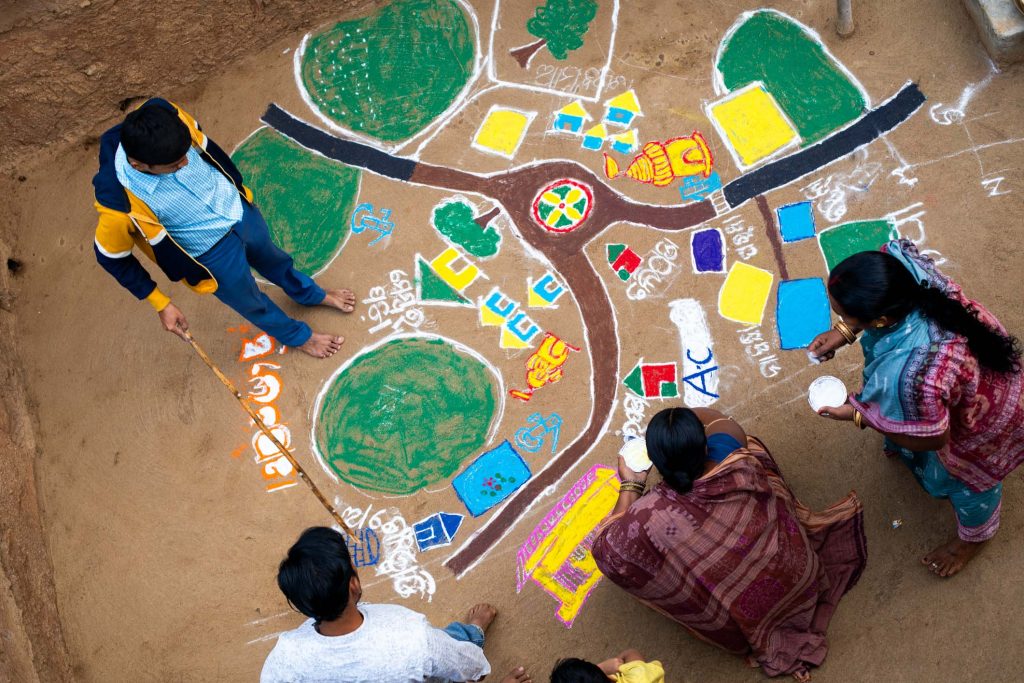
Climate action cannot succeed in silos; it requires humility to listen to lived realities, courage to challenge outdated systems, and commitment to ensuring that climate governance remains connected to the people it is intended to serve. Mentorship is a small but powerful part of this process. As I reflect on my own journey, I am reminded that the future of climate leadership will depend not only on technical excellence but on our collective ability to build systems of trust and shared learning. And perhaps that is one of the most important lessons the evolving Loss and Damage discourse continues to teach us: that resilience is built through investing in one another’s capacities.
Author
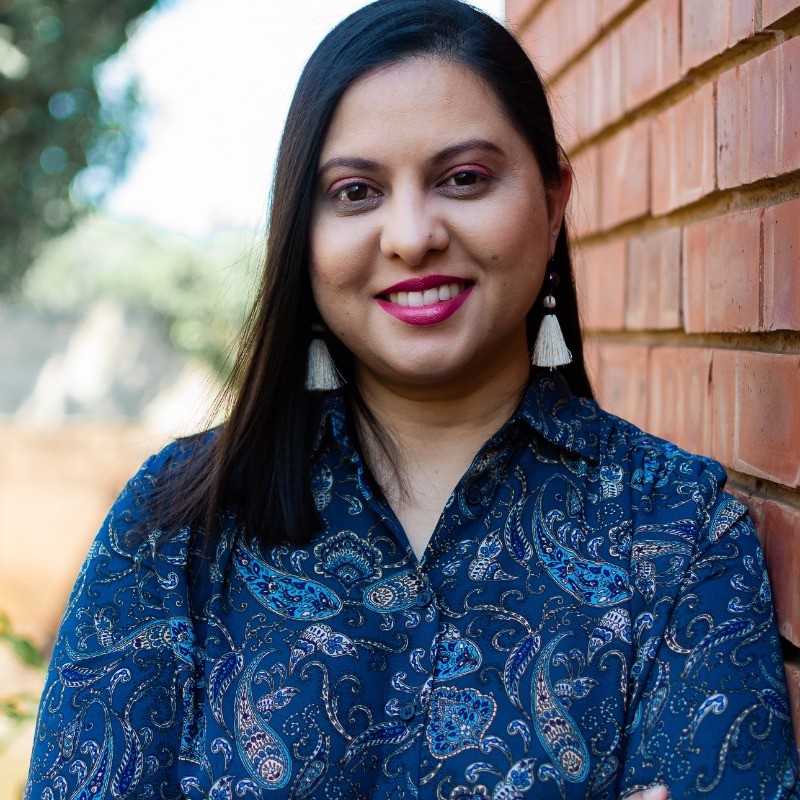
Dr Sarisha Ramanand is a South Africa-based climate and development specialist with expertise in transformational adaptation, loss and damage, climate finance, transparency systems, and capacity building. A geographer by training, she works across research, technical assistance, project and programme development, and strategic advisory support for governments and institutions. She is the Director of Climate and Sustainability Consultants, a member of the Santiago Network, and a mentor for the Saleemul Huq Memorial Scholarship through ALL ACT/IIED. Her work focuses on strengthening climate resilience, advancing practical solutions, and supporting the African region through evidence-based and people-centred approaches. Read more about Dr Sarisha Ramanand.