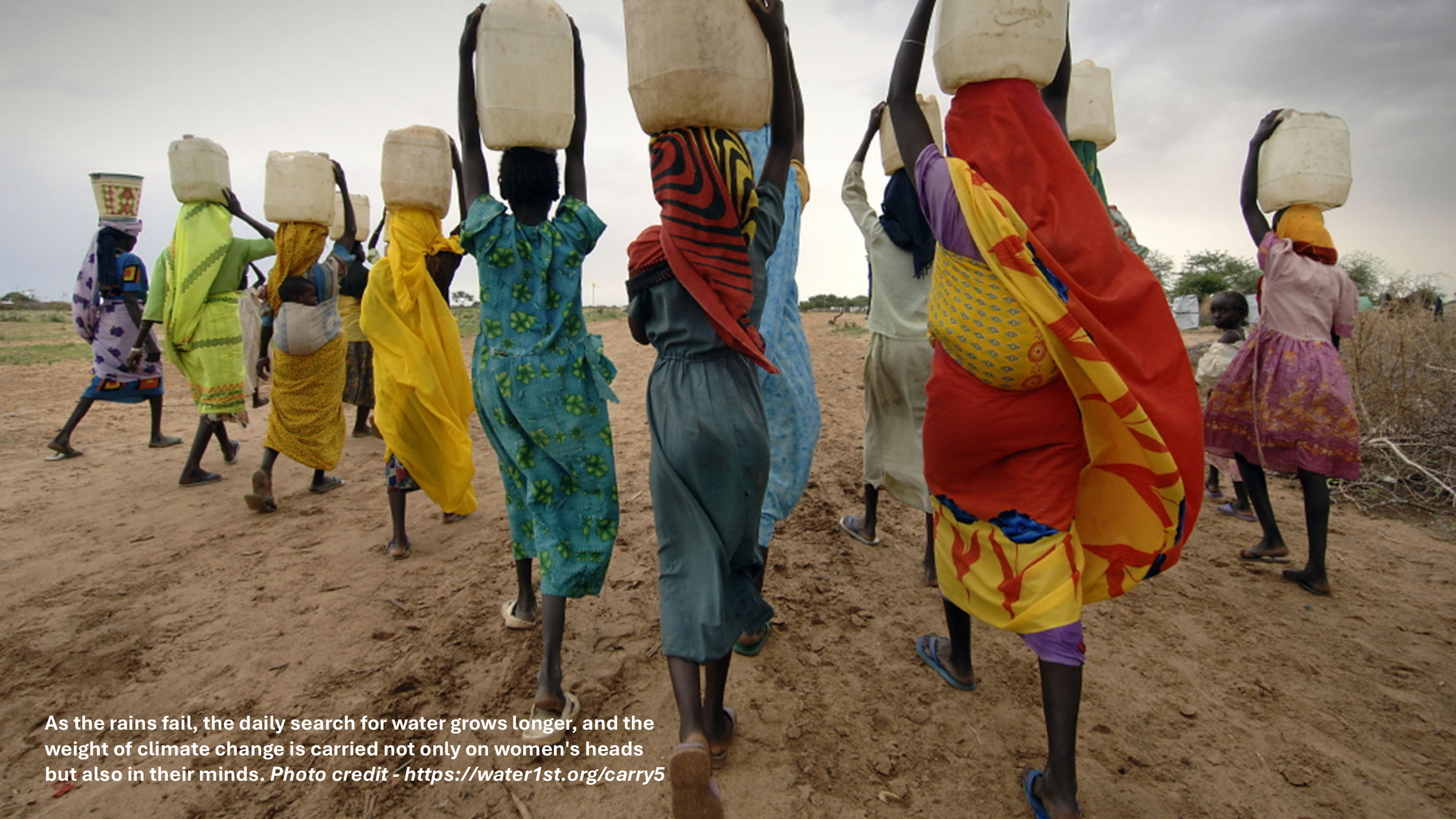
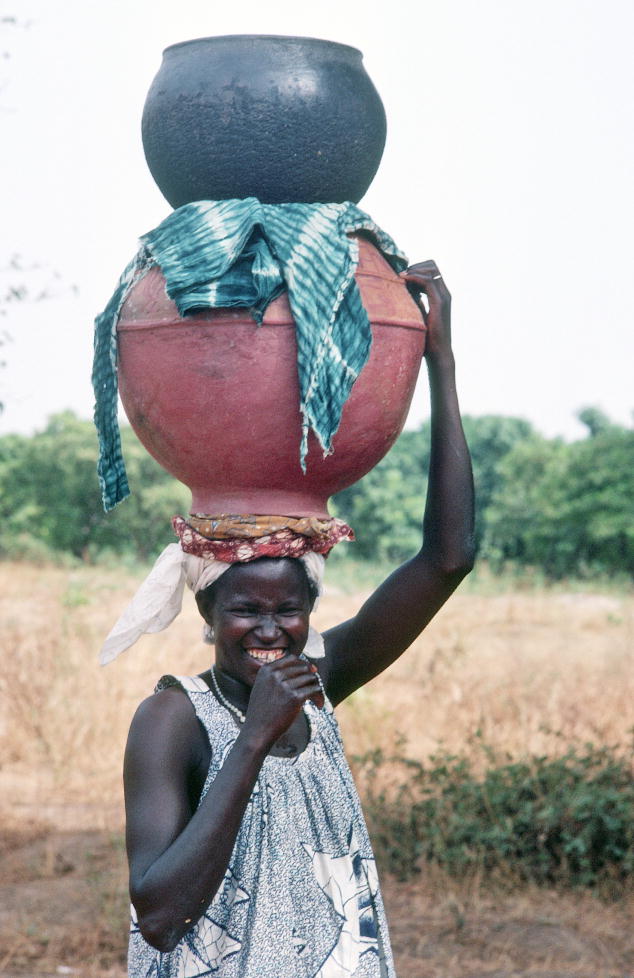
The sun had barely risen over Tichitt when I met Aïcha, a mother of five, walking back from the well, a two-hour round trip she now makes twice a day. When I asked how the changing weather had affected her family, she paused, adjusted the empty jerrycan on her head, and said quietly:
“I lie awake, counting the minutes until dawn, wondering what we will feed my children. They ask for food, but I have nothing to give them. My heart is heavy.”
Her words stayed with me long after our conversation had ended.
In Nioro du Sahel, western Mali, climate change is not an abstract concept discussed in reports or projections. People feel it daily through failed harvests, dwindling water sources, and growing uncertainty about the future.
When I began my research into climate-induced loss and damage, I expected to document visible impacts: crop failure, water scarcity, and declining incomes. What I did not fully anticipate was the scale of the invisible losses, particularly the emotional and psychological toll on already vulnerable communities.
This reflection draws on my field experience to highlight that climate change is not only an environmental and economic crisis but also a deeply human one.
The Weight of Words: Listening Beyond Data
Collecting survey data in Diaka, Sylla Counda, and Tichitt quickly revealed that numerical data alone cannot capture the full extent of climate impacts.
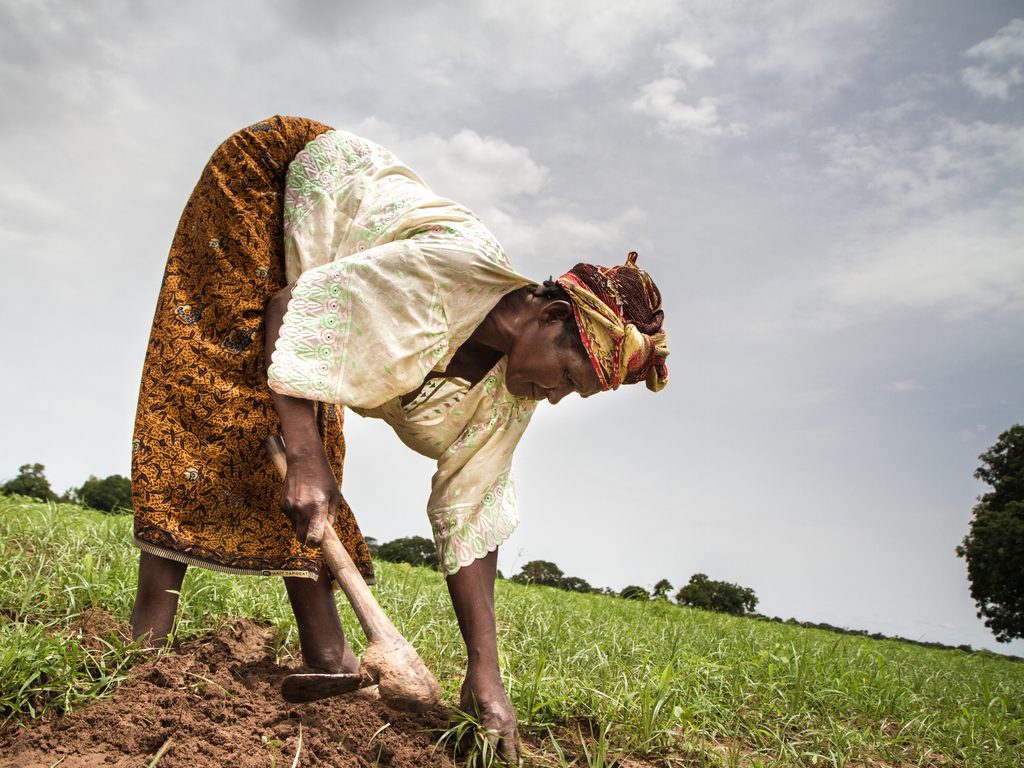
While households openly discussed food shortages and income loss, conversations became more complex when it came to emotional well-being. People in rural Mali rarely discussed mental health explicitly, and many participants initially struggled to articulate their experiences in conventional terms.
Instead, they spoke through expressions of the body and spirit:
“My head hurts from thinking too much.”
“I cannot sleep when I think about tomorrow.”
“We are standing between the sky and the earth.”
In Sylla Counda, an elderly farmer told me:
“The sky turned its back on us. We planted three times, and each time the rain disappeared. How do you explain that to children who ask why there is no food?”
These phrases revealed a deeper dimension of loss, one climate research often overlooks: the psychological burden of uncertainty, insecurity, and repeated environmental shocks.
Building Trust Before Asking Questions
Capturing these insights required more than structured surveys; it required trust.
Before formal interviews, I spent time informally engaging with community members, greeting elders, and sitting under trees where daily conversations unfolded. This helped create a space in which participants felt comfortable sharing personal experiences.
In Tichitt, the village chief spent two hours explaining the purpose of my visit to the community elders before I could begin formal interviews. “Without his endorsement,” one health worker later told me, “you would have been seen as a stranger asking inappropriate questions.”
Local leaders and religious figures played a crucial role in facilitating access and establishing legitimacy. Their presence helped bridge the gap between the researcher and the community, especially when discussing sensitive topics such as displacement, hardship, and emotional distress.
Gender dynamics also shaped participation. Women, despite being among the most affected by climate stress, were often less likely to speak openly in mixed-gender settings. In response, I organised separate focus group discussions so women could share their experiences more freely.
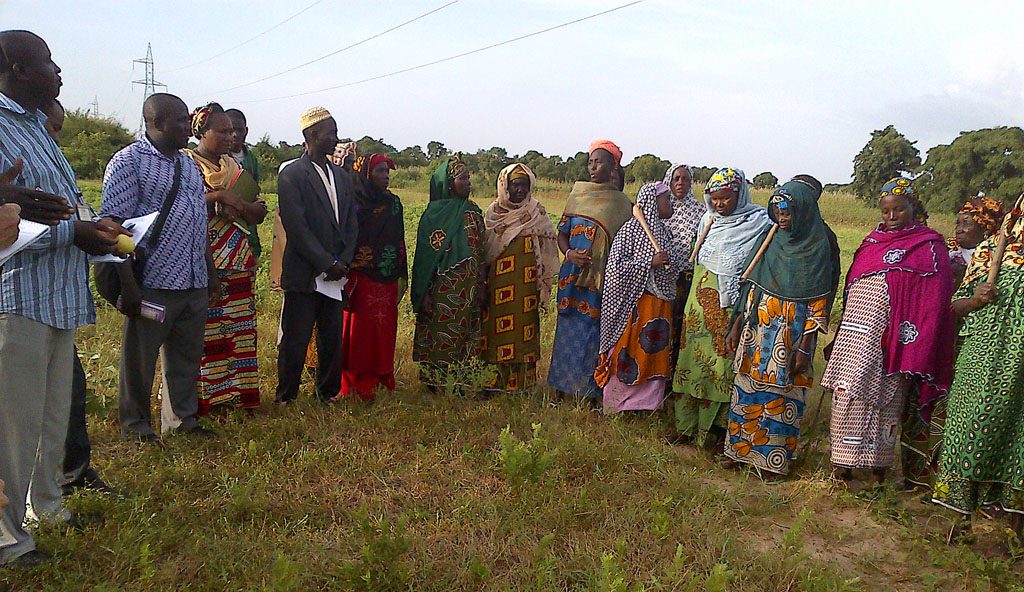
During one such session, a young mother in Diaka spoke about her anxiety:
“I worry about everything. Water, food, my children’s health. Sometimes I feel the weight of the world is on my shoulders. But who do I tell? My husband is also struggling. We cannot afford to break down.”
This experience reinforced a critical lesson: ethical research goes beyond consent forms, it requires creating conditions for meaningful, respectful, and safe dialogue.
From Climate Shock to Emotional Strain
A consistent pattern was observed across all three communities.
Climate shocks, particularly drought and erratic rainfall, trigger a cascade of effects:
- Reduced agricultural productivity
- Food insecurity
- Income instability
- Displacement and migration
Over time, these pressures accumulate, resulting in:
- Anxiety and chronic stress
- Sleep disturbances
- Feelings of hopelessness and loss of control
One woman described lying awake at night, worrying about how to feed her children. A young man spoke of the pressure to migrate as agricultural opportunities declined:
“I don’t want to leave my family and my land. But what choice do I have when the land yields nothing?”
Elders reflected on the loss of traditional seasonal rhythms that once guided farming and community life. In Diaka, one elder lamented:
“We used to sing songs to welcome the rains. Now we sing prayers for survival.”
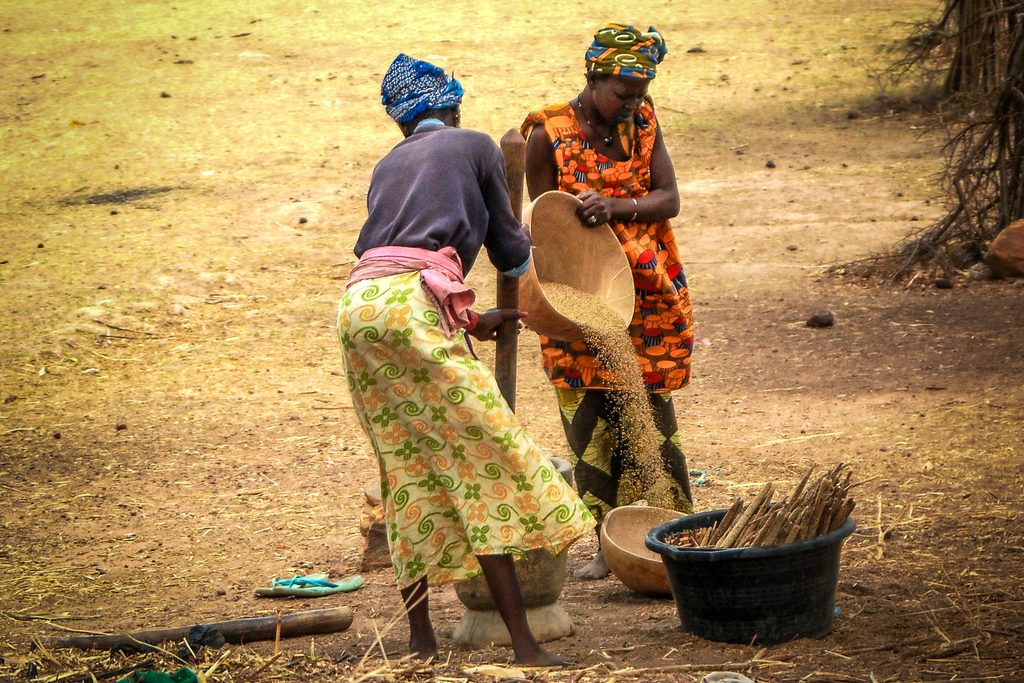
These experiences underscore the need to recognise non-economic loss and damage, particularly mental health impacts, as a core dimension of climate vulnerability. The distress is not merely individual; it is woven into the fabric of community life, eroding social cohesion and cultural identity.
Capturing the Invisible: Methodological Lessons
Using the Comprehensive Climate Impact Quantification (C-CIQ) framework enabled a more holistic understanding of these dynamics. Its participatory, five-step process combined local knowledge with structured analysis to capture both tangible and intangible losses.
However, applying it in the field required adapting research methods to local realities. While economic losses could be quantified, documenting emotional and psychological impacts required:
- Open-ended, storytelling-style discussions
- Participatory tools like seasonal calendars and resilience mapping
- Triangulation across interviews, group conversations, and community verification sessions
This approach enabled the identification of recurring patterns of stress, anxiety, and social strain, even in contexts where mental health is not formally recognised or discussed.
One methodological challenge I encountered was the absence of standardised mental health indicators for rural Sahelian communities. Western diagnostic tools often felt inappropriate and culturally insensitive. Instead, I relied on locally understood expressions of distress, sleeplessness, “heavy hearts,” loss of appetite, and social withdrawal, which communities themselves used to describe their suffering.
Resilience Under Pressure
Despite these challenges, communities show remarkable resilience.
- Across the study areas, households rely on the following:
- Social solidarity networks and mutual borrowing
- Grain banks and shared resources
- Religious leaders and traditional healers for psychosocial support
- Kinship-based displacement management
These mechanisms provide both material and emotional support, yet the frequency and intensity of climate shocks are increasingly straining them.
As one participant in Tichitt noted:
“We depend on each other, but everyone is struggling now. My neighbour used to share his grain with me, but now he has nothing to share.”
This highlights a critical point: while local coping systems remain vital, they cannot replace broader structural support. Almost 70% of households reported needing mental health support that was unavailable. Community resilience is not infinite; it requires policy backing and investment.
What Changed in My Thinking
Before this fieldwork, I saw climate change as a technical problem that required technical solutions. I focused on emissions reductions, adaptation technologies, and policy frameworks.
Now I see it differently.
Climate change is as much a crisis of the heart as of the land. It destroys not only crops and homes but also hope, identity, and community bonds. The most important tool I carried was not a survey form; it was the willingness to listen, to sit with people in their uncertainty, and to recognise that some of the most profound losses cannot be measured.
In Sylla Counda, an elder told me:
“You have come to count our losses. But can you count the songs we no longer sing? The rituals we no longer perform? The stories we no longer tell our children because we are too tired?”
I had no answer. But I understood then that loss and damage are not just about what is taken; they are about what is slowly forgotten.
Why This Matters for Climate Action
The findings from Nioro du Sahel highlight an important gap in current climate responses.
Policies often prioritise infrastructure, agriculture, and economic recovery, while overlooking psychosocial impacts. However, without addressing mental health and social well-being, adaptation efforts risk being incomplete, offering material solutions to deeply human crises.
As international negotiators debate how to operationalise the Loss and Damage Fund, my fieldwork suggests that any meaningful response must account for the invisible toll, the anxiety, depression, and cultural erosion that economic models cannot capture.
Integrating these dimensions requires:
- Recognising mental health as part of climate resilience
- Supporting community-based psychosocial systems
- Incorporating non-economic loss and damage into policy frameworks
- Training community health workers to identify and respond to psychological distress
- Ensuring adaptation finance reaches the most vulnerable, not just the most visible
A Call to Action
To researchers, policymakers, and practitioners reading this: when designing climate interventions, ask not only “What is being lost?” but also “Who is being broken?”
The answers will determine whether our responses heal or merely manage suffering.
Because resilience is not only about surviving environmental change; it is about preserving human well-being, dignity, and the capacity to adapt with hope.
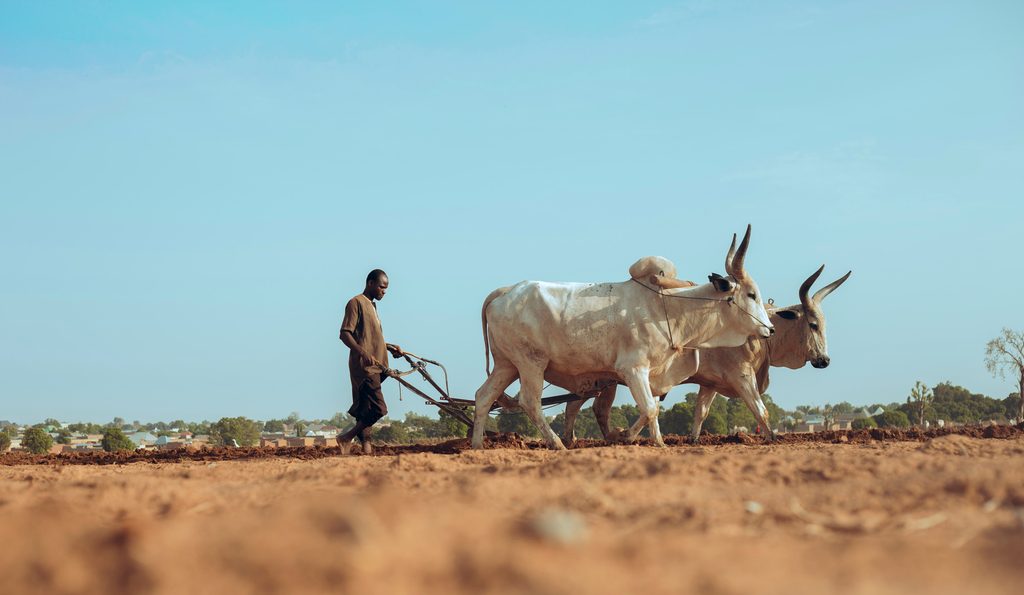
In Nioro du Sahel, climate change is not only altering the environment; it is reshaping how people live, think, and cope with uncertainty.
When the rain fails, crops suffer. But beyond the fields, something less visible also erodes peace of mind, stability, and hope.
Understanding this is essential to building truly inclusive and effective climate responses.
Author
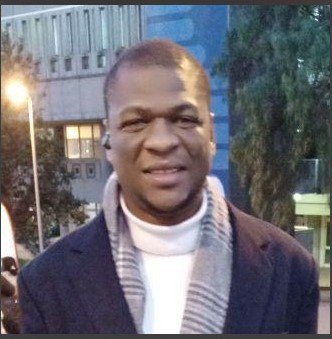
Mohamed Sylla is a Bamako-based policy researcher working on climate policy and AI governance. Supported by the Saleemul Huq Memorial Scholarship from IIED’s ALL ACT initiative, he applied the Comprehensive Climate Impact Quantification (C-CIQ) toolkit to assess climate impacts in Mali. He has served as an expert reviewer for the IPCC Special Report on Climate Change and Cities and UNEP’s seventh Global Environment Outlook, and contributed to the Global Index on Responsible AI. He is a Research Faculty Member at Linked Africa and holds a Bachelor of Health Sciences. Know more about him here.