The Saleemul Huq Memorial Scholarship and Award for Loss and Damage Research offered by IIED holds special significance for me, as it enabled me to undertake a pioneering research project. I’m proud to have conducted the first-ever study on Non-Economic Loss and Damage in Somalia, contributing new knowledge and data to an important but previously unexplored area of climate change research in the country and beyond.
I conducted research in Qardho district, Puntland, Somalia, exploring the mental and physical health impacts of climate-induced loss and damage. While the findings revealed significant health burdens associated with climate shocks, one of the most important lessons emerged not from the data itself, but from the research process. The study demonstrated that communities are not merely victims of climate change; they are active problem-solvers with clear ideas about what resilience should look like. The challenge is that these voices are too often absent from policy discussions and investment decisions.
This practical lesson has important implications for governments, development partners, humanitarian organisations, and climate finance institutions seeking effective responses to climate-induced loss and damage.
Looking beyond economic losses
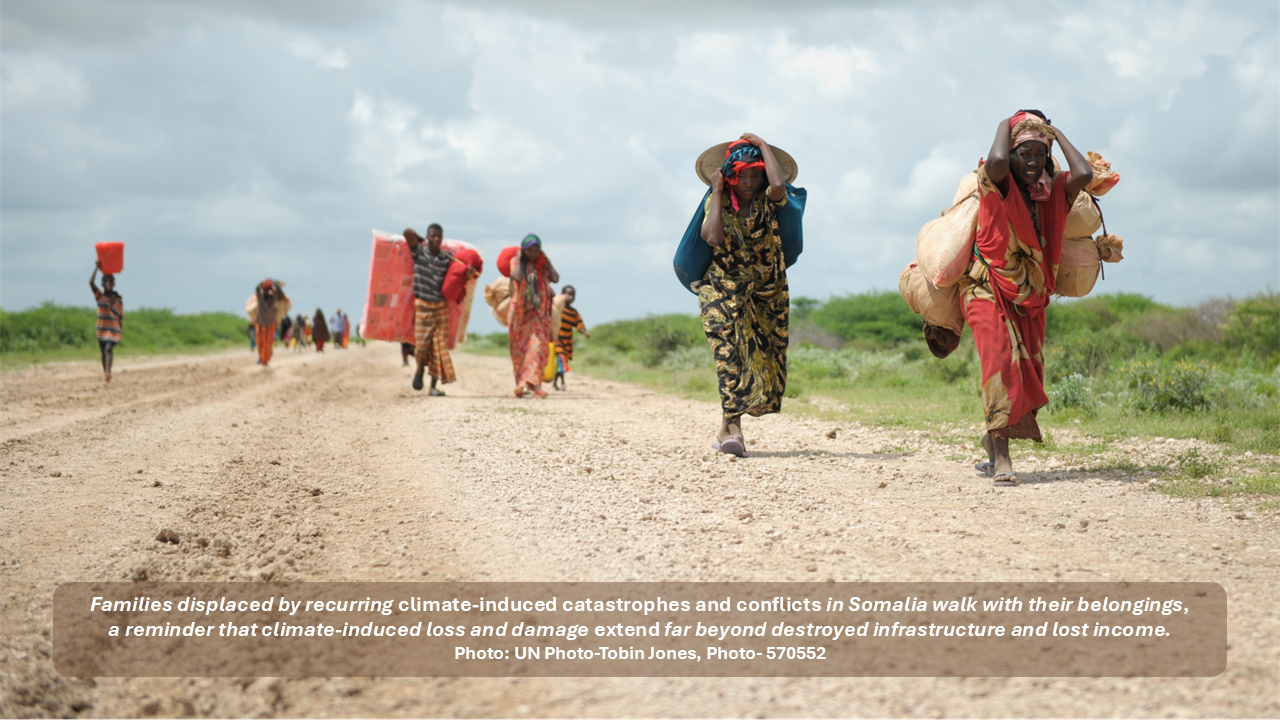
Climate impacts are typically measured through economic indicators such as destroyed infrastructure, damaged crops, or lost income. However, the research in Qardho revealed a much broader reality to me.
Communities reported experiencing stress, anxiety, depression, trauma, malnutrition, waterborne diseases, and reduced access to healthcare as a result of recurring floods and droughts. Many households faced prolonged uncertainty about their livelihoods, food security, and future well-being. Women, children, and internally displaced persons (IDPs) were particularly vulnerable.
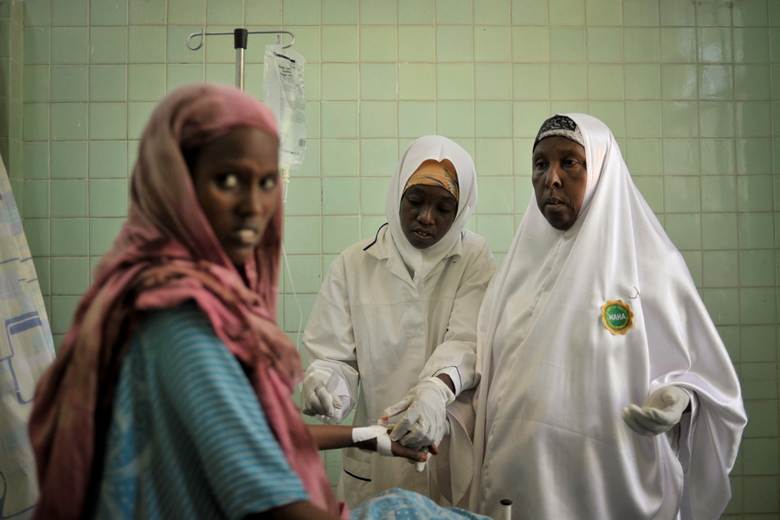
Photo: UN Photo-Tobin Jones, Photo- 579012
These findings reinforce a growing global understanding that climate-induced loss and damage includes both economic and non-economic impacts. Mental health, social wellbeing, dignity, and community cohesion are often affected long after floodwaters recede or drought conditions improve.
Recognising these non-economic losses is essential. However, identifying the problem is only the first step. The more important question is how policies and programs can respond effectively.
What the research process revealed
One of the most valuable aspects of the study was its participatory approach. Through focus group discussions and key informant interviews, residents were invited not only to describe their challenges but also to propose solutions.
The responses were remarkably practical.
Health workers emphasised the need for stronger health systems, mobile outreach services, vaccination campaigns, and nutrition support.
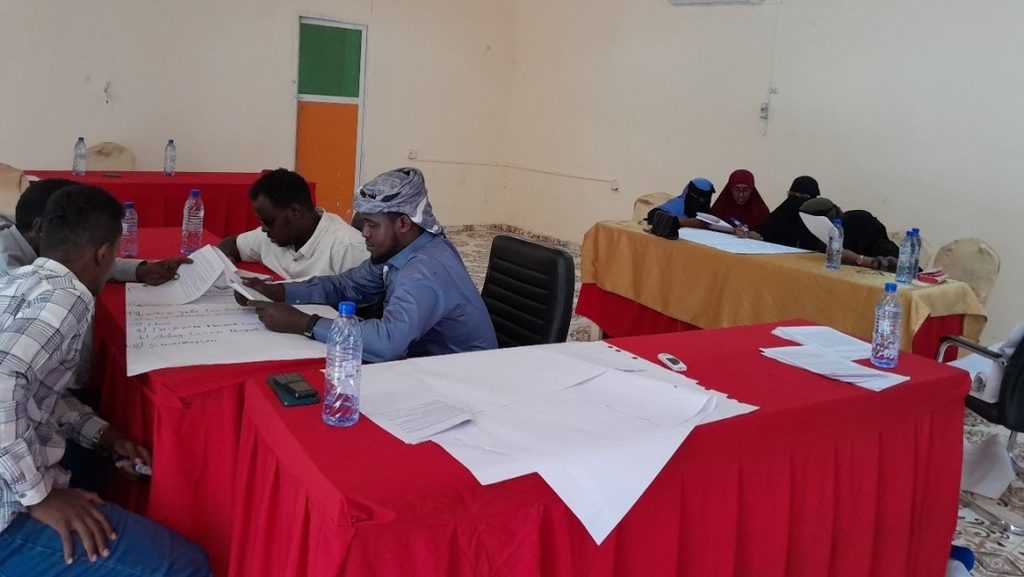
Community members highlighted the importance of flood protection infrastructure, improved drainage systems, and early warning mechanisms. Displaced households stressed the need for permanent housing, job opportunities, education, and security.
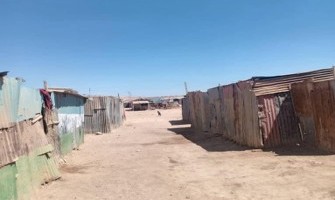
One of the people I interviewed in the new IDP camp said to me, “They keep coming to us, collecting information and writing things down, but nothing meaningful is done for us.” This demonstrates that these people need sustainable solutions to change their lifestyles.
Civil society organisations called for awareness campaigns and greater community participation in decision-making.
Importantly, these proposals did not focus solely on emergency assistance. Communities consistently linked immediate needs with longer-term resilience. They understood that sustainable adaptation requires simultaneous investments in livelihoods, health, infrastructure, governance, and social protection.
This demonstrates an important reality that is often overlooked in climate policy: local communities often understand both the drivers of vulnerability and the pathways to resilience.
The gap between community knowledge and policy action
Despite this local knowledge, many climate interventions continue to be designed through top-down approaches.
Too often, decisions about climate adaptation, disaster risk reduction, and loss-and-damage responses are made far from the communities most affected. As a result, investments may fail to address local priorities, overlook vulnerable groups, and neglect health and social wellbeing.
The Qardho study highlighted several examples of this gap.
Communities consistently identified physical and mental health as major consequences of climate-induced disasters. Yet mental health services remain limited and are rarely integrated into climate adaptation programs. Similarly, respondents emphasised the importance of livelihood recovery and social protection, but these areas often receive less attention than emergency humanitarian assistance.
The result is a cycle in which communities repeatedly recover from crises without addressing the underlying factors that make them vulnerable in the first place.
A practical policy takeaway: Put communities at the centre
The most important practical takeaway from this research is straightforward:
Climate and health policies are likely to be more effective, sustainable, and equitable when communities are involved not only as beneficiaries but as partners in decision-making.
This principle should guide future investments and policy development in Somalia and other climate-vulnerable contexts.
First, governments should institutionalise community participation in climate adaptation and disaster risk management planning. Regular consultations with local residents, women, youth, health workers, and displaced populations can help ensure that policies reflect real needs and priorities.
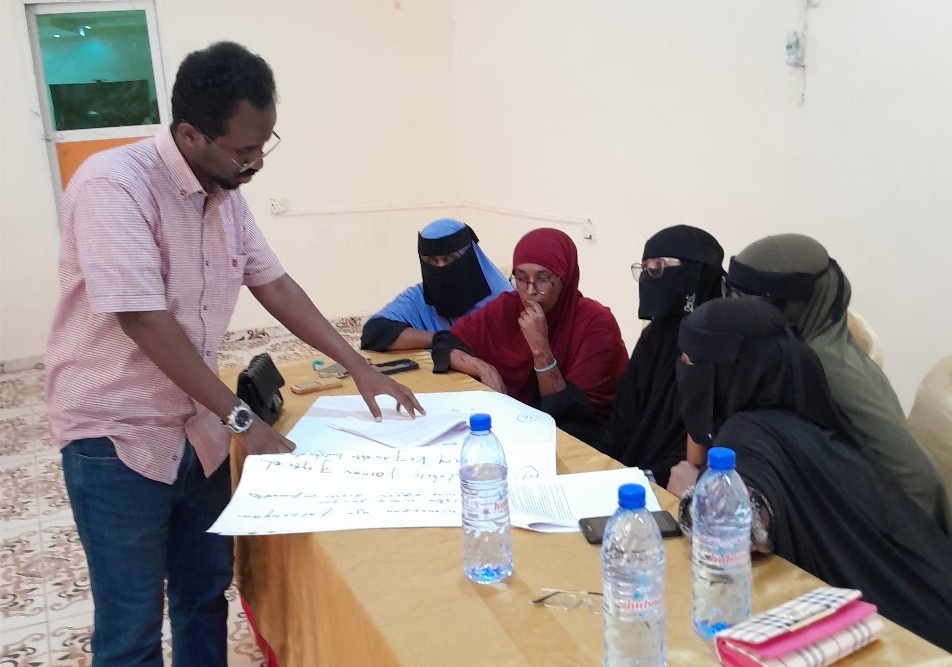
Second, development partners and donors should allocate resources to community-led initiatives. Local organisations often possess contextual knowledge, trust, and networks that allow them to deliver solutions more effectively than externally designed interventions.
Third, climate finance mechanisms should explicitly support non-economic loss and damage. Funding should include infrastructure projects, mental health services, social protection programs, community awareness initiatives, and livelihood recovery efforts.
Fourth, health systems must become a central pillar of climate resilience planning. Climate change is increasingly a public health issue, and adaptation strategies that overlook health consequences will fail to adequately protect vulnerable populations.
From reactive responses to proactive resilience
Another lesson emerging from the research is the need to move from reactive responses toward proactive resilience-building.
Communities repeatedly described how floods and droughts trigger cascading impacts, livelihoods are lost, food insecurity increases, physical health deteriorates, and psychological distress grows. Emergency assistance remains important, but it is not enough.
Investments in climate-resilient infrastructure, healthcare systems, early warning mechanisms, livelihood diversification, and social protection can reduce vulnerability before disasters occur. Such investments are often more cost-effective and humane than repeated emergency responses.
The study’s participants understood this clearly. Their recommendations consistently focused on strengthening resilience before the next crisis rather than simply recovering from the last one.
A model for future research and action
The Qardho experience also offers lessons for researchers and practitioners.
Research on climate-induced loss and damage should not only document impacts but also create space for communities to articulate solutions. Participatory approaches generate richer evidence, strengthen local ownership, and produce findings that are more directly relevant to policy and practice.
As international discussions on loss and damage continue to evolve, locally grounded evidence will become increasingly important. Policymakers need data, but they also need community perspectives that explain how climate impacts are experienced and what forms of support are most meaningful.
The future of climate resilience depends not only on scientific expertise and financial resources but also on the ability to listen to those living on the front lines of climate change.
Yet the study also revealed something equally important: affected communities possess valuable knowledge about how to build resilience.
The key lesson for policymakers and practitioners is clear. Sustainable solutions will emerge not from policies designed for communities, but from policies designed with communities. By placing local voices at the centre of climate adaptation, health planning, and loss-and-damage responses, Somalia can move beyond crisis management and toward a more resilient future.
Author
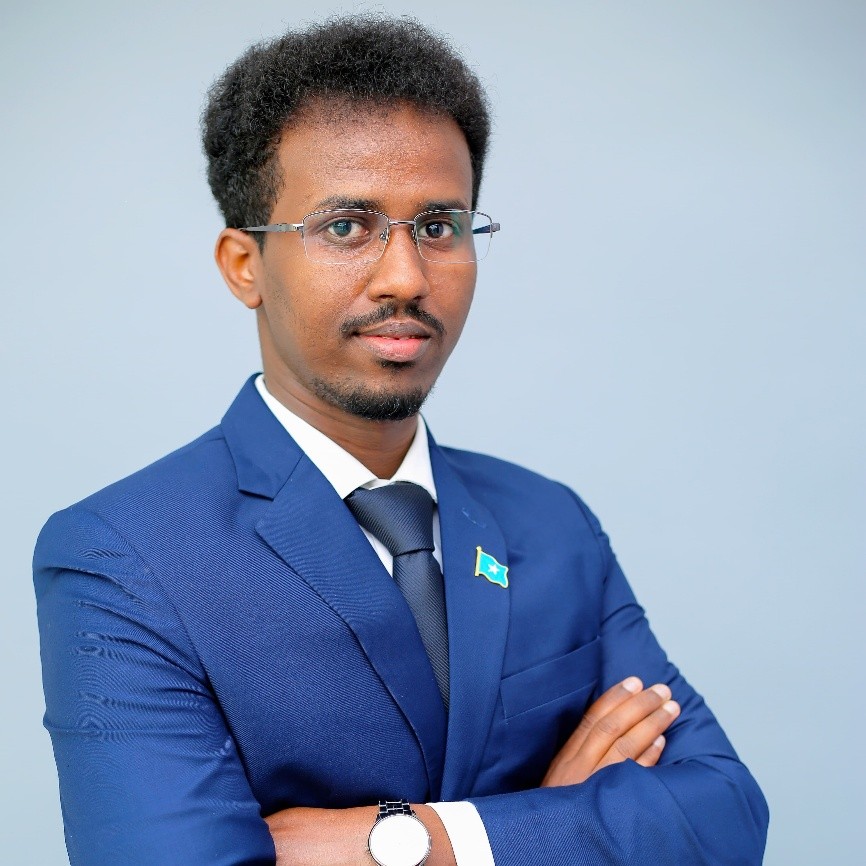
Mohamed Abdullahi is the Founder and Executive Director of the Global Environment Climate and Development Foundation (GECDF). He served as a Youth Representative in the 2024 World Food Forum (WFF) Youth Assembly and was an I ACT Peer Trainer (2023–2024), a joint climate and energy capacity-building initiative of Italy’s Ministry of Foreign Affairs and International Cooperation (MAECI) and the International Renewable Energy Agency (IRENA). Mohamed is also a recipient of the IIED Saleemul Huq Memorial Scholarship and Award for Loss and Damage Research, through which he conducted pioneering research on the impacts of climate-induced loss and damage on mental and physical health in Qardho District, Puntland, Somalia. Read more about him here.